
Integrate HPV
Boosting HPV vaccination uptake in Malawi and Mozambique by using community-generated approaches.
A Safer Future for Youth in a Single Appointment
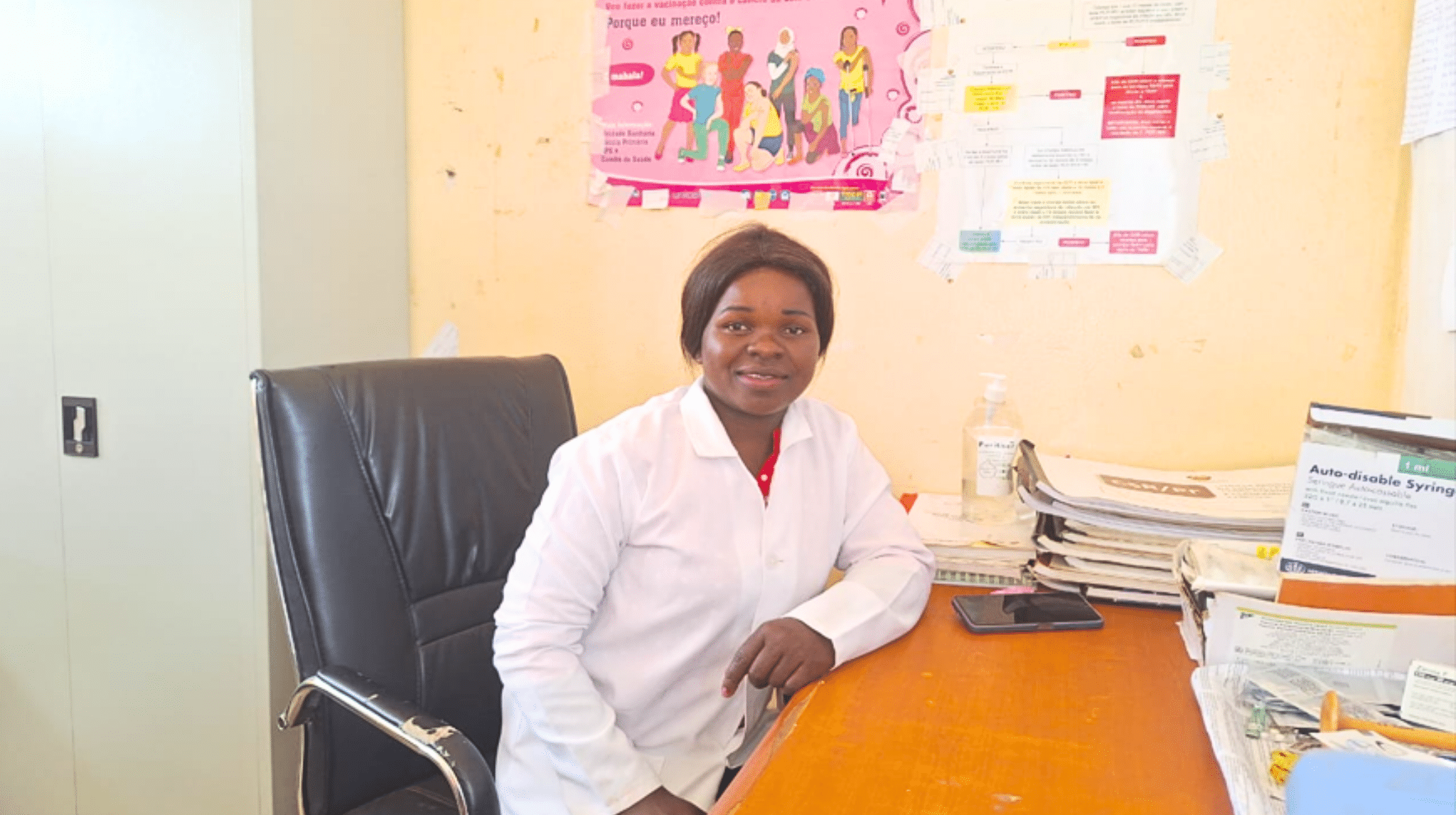
On a warm morning in the Tsangano District, Tete Province, the corridors of Banga Health Center are already filled with young people. Some come for counseling. Others for reproductive health services. This is where we meet Delfina José Jairosse, a Maternal and Child Health...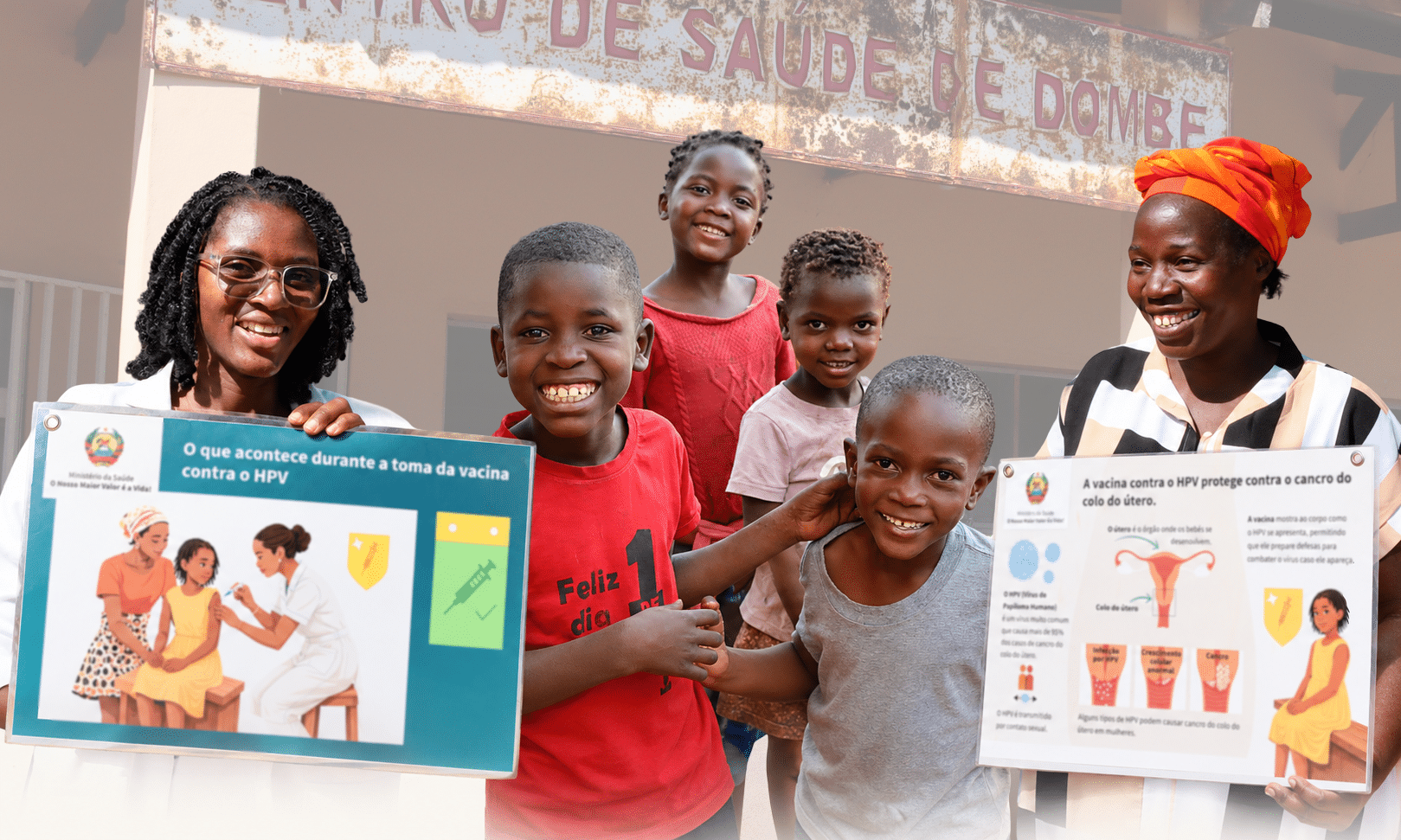
Transformar a troca de experiencias entre pares em acção concreta
This article was originally published in English. Em Julho, a VillageReach alcançou um marco importante ao transformar a aprendizagem entre pares para melhorar os resultados de vacinação, passando das ideias à acção. O programa Aprendizagem entre Pares (P2P) para Melhorar a Cobertura da Vacinação...
Day Zero Starts Before Disaster Strikes
When disaster strikes, we tend to measure response in hours. How quickly can first responders reach affected communities? How quickly can medicines arrive? How quickly can damaged health facilities begin caring for patients again?
When Learning Travels: Turning Peer Exchange into Action
Este artigo também está disponível em português. In July, VillageReach reached an important milestone in moving peer-to-peer learning to improve immunization outcomes from ideas into action. The P2P Learning to Improve HPV Vaccination Coverage program, co-implemented by BCL, enabled health workers, teachers and community...
Júlia’s Mission to Bring HPV Awareness to Her Community
Every sunrise signals a new day, and another opportunity for Júlia Aberto António to protect her fellow Mozambican women from Human Papillomavirus (HPV), the primary cause of cervical cancer. Júlia knows that cervical cancer remains the most common cancer among women in Mozambique, yet she remains hopeful that more can...
Marta Inspires HPV Awareness Beyond the Health Center
Marta Simone is a maternal and child health nurse assigned to the Instituto Agrário de Chimoio Health Center, known as IAC, in Vanduzi District, Manica Province, Mozambique. Her energy and dedication have become her trademark, making her well known among those who regularly visit the health facility. From...
Onésia: Turning Playtime into Cancer Prevention
On the school grounds in Dombe, children gather to play “mata mata,” the most common game in Onésia’s community. They mark a distance of 7 to 10 meters. At each end, two players from the same team stand, while two players from the opposing...
A “Model Mother” of Eight Helping Prevent Cervical Cancer in Mozambique
Days after completing a VillageReach training on human papillomavirus (HPV) vaccination and cervical cancer prevention as part of the Peer-to-Peer Learning to Improve HPV Vaccine Coverage project, Verónica Chimoio was putting what she learned into practice; she already had a full schedule. We found her beneath a large, leafy tree...
Teachers on the Frontline of Cervical Cancer Education in Vanduzi, Mozambique
When teachers share knowledge with children that goes beyond what is normally found in textbooks and curriculum, the impact can be profound. In Sussundenga and Vanduzi districts in Mozambique’s Manica Province, VillageReach is leading the fight against human papillomavirus (HPV), the virus that causes...
SPECIAL REPORT: Making Community-Designed Health Education Cards
Part 1: The Challenge Cervical cancer remains a profound global health inequity. Around 604,000 women were diagnosed in 2024 and about 280,000 died, with the highest incidence and mortality rates concentrated in low- and middle-income countries. HPV vaccination offers highly effective protection, and the...
Student Champions in Mozambique Promote HPV Vaccination in the Fight to Prevent Cervical Cancer
Just a few kilometers from the district headquarters of Cahora Bassa, in Tete Province, a transformation is taking place in the local community.
Student Champions Promote HPV Vaccination in the Fight to Prevent Cervical Cancer
Just a few kilometers from the district headquarters of Cahora Bassa, in Tete Province, a transformation is taking place in the local community. At Chirodzi Ponte Primary School, previously rare conversations are now part of everyday learning. Students are talking openly about HPV, cervical...
Older teens get a shot at safety as Mozambique launches HPV vaccine campaign
As Mozambique offered the cancer-blocking jab to girls aged from 12 to 18, the message was clear: it’s not too late to get protected.
New Film “Community Involvement to Advance HPV Vaccination”
Meet Nelma, one of the adolescents of Vanduzi District, Mozambique, recently vaccinated against HPV. In a new short film documenting the Peer-to-Peer Learning to Improve HPV Vaccine Coverage program, Nelma’s story is one of several that illustrate how communities, health workers and government partners...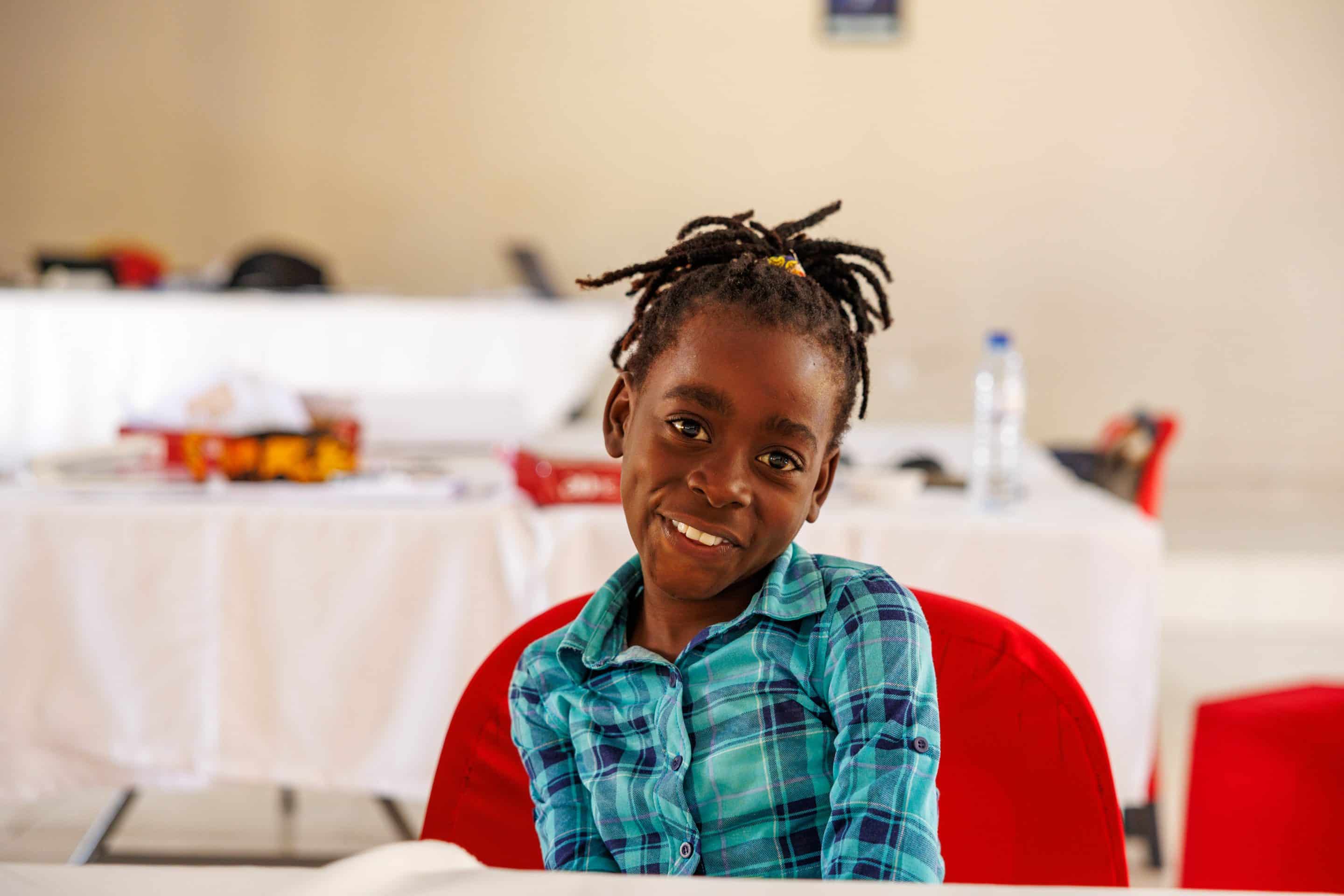
Meet the HPV Myth Breakers
Also in: Portuguese
This post is also available in Portuguese A new human papillomavirus (HPV) vaccine is bringing hope to women across Mozambique for a future free from cervical cancer. A new chapter begins in the fight against cervical cancer and, with it, a promising chance to...Overview
HPV vaccination is one of the most effective tools available to prevent cervical cancer. Yet in Malawi and Mozambique—countries with some of the world’s highest cervical cancer rates—making the vaccine available has not always meant that every eligible girl can get it.
Vaccination is often delivered through campaigns or services that operated separately from other adolescent health care. Baseline research identified barriers on both the supply and demand sides of the health system: gaps in health worker and teacher knowledge; weak coordination between schools and health facilities; shortages of staff, transport and other resources; misinformation and concerns about the vaccine; and difficulty reaching girls who were out of school or lived far from services. Existing adolescent health services offered another potential route to reach girls, but younger adolescents often made limited use of them.
Instead of treating HPV vaccination as a stand-alone service, could it be incorporated into the places and services adolescent girls already use? How do communities want to see that integration happen? VillageReach launched implementation research in Malawi and Mozambique to design, test and evaluate community-generated approaches to increase HPV vaccination uptake while strengthening connections with broader adolescent health services.
How It Works
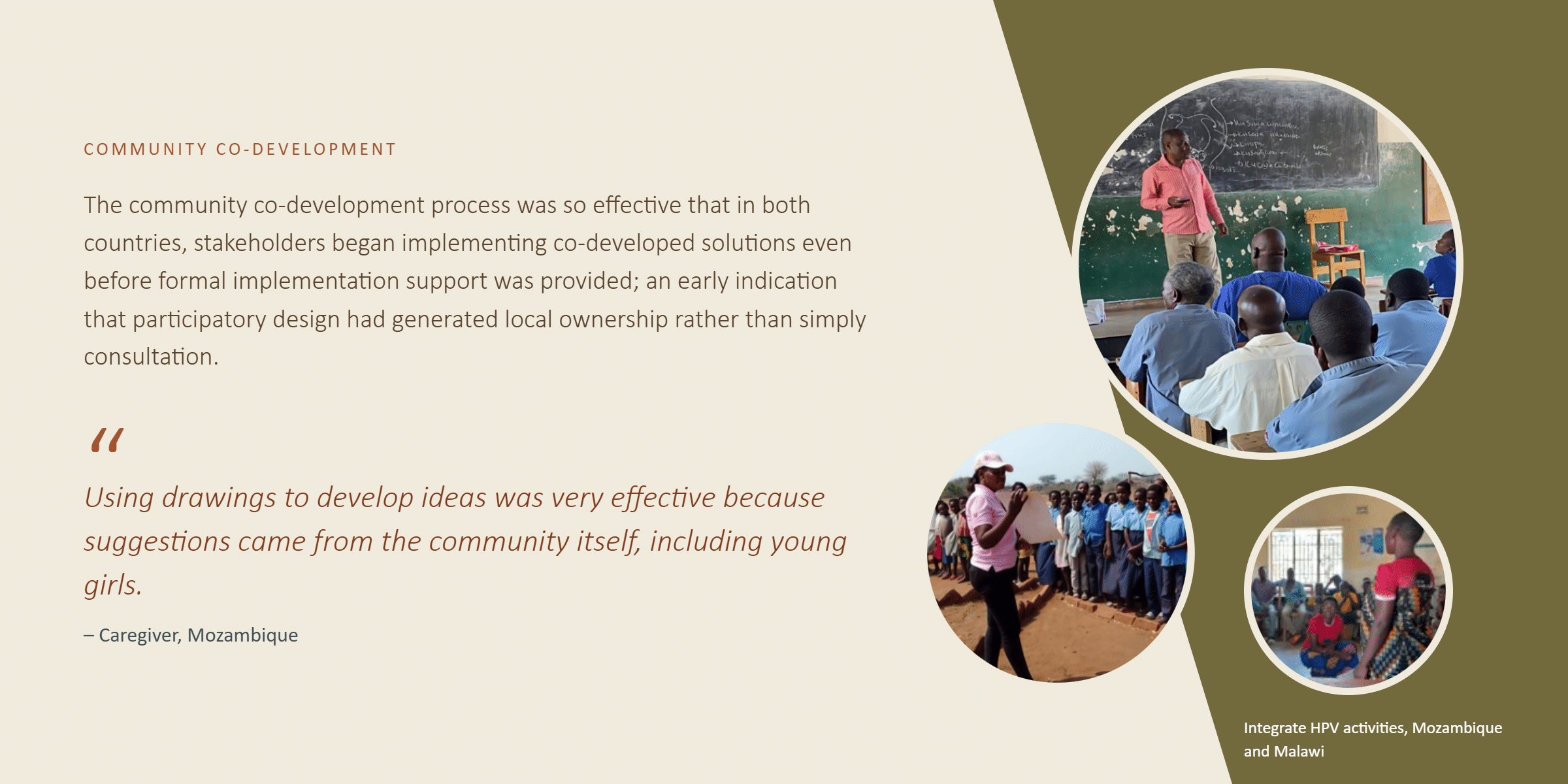
The project combined human-centered design with implementation research. Adolescent girls, caregivers, health workers, teachers, community and religious leaders and health authorities first helped identify barriers to HPV vaccination and then worked together to develop and prioritize solutions. Thirty-five design workshops—18 in Malawi and 17 in Mozambique—used participatory methods including drawing and storytelling to promote contributions from younger adolescents.
Co-design with girls and communities
Start with the people services are meant to reach. Participants first explored attitudes, experiences and barriers around HPV vaccination and adolescent health care. Mixed stakeholder groups then developed potential solutions and assessed them against criteria including feasibility, relevance and potential impact. The result was solution packages shaped around each health system and community context.
Provide vaccination where girls already are
Create more opportunities to vaccinate. In Malawi, the project strengthened connections between HPV vaccination and School Health and Nutrition Days, Youth-Friendly Health Services, routine immunization and adolescent-focused HIV services including Antiretroviral (ART) Teen Clubs. In Mozambique, HPV vaccination was integrated with Adolescent and Youth Friendly Services at facilities, schools and through community and mobile outreach—including a “one space, many services” approach that brought multiple services together during health fairs, health days and outreach.
Strengthen the system around vaccination
Make integrated delivery practical, not just possible on paper. The teams strengthened joint planning between health workers and teachers, trained providers in HPV vaccination and adolescent-friendly care, improved referral pathways, supported vaccine transport and outreach, and developed tools for identifying eligible girls, prioritizing vaccination sessions and recording services.
Build demand through trusted voices
Make sure girls and caregivers know why, when and where vaccination is available. Teachers, community and religious leaders, model mothers, adolescent peer educators, youth leaders and other trusted messengers helped address myths and misconceptions, mobilize eligible girls and connect communities with services. Activities included school and community dialogues, peer-led information sharing, locally relevant materials and radio programming.
Test, learn and adapt
Use evidence to improve implementation as it happens. The project compared six intervention and six comparison catchment areas in each country and combined routine vaccination and adolescent-health data with surveys, interviews and qualitative research. Learning waves, supportive supervision and ongoing feedback were used to refine implementation before the final evaluation.
What We’ve Learned
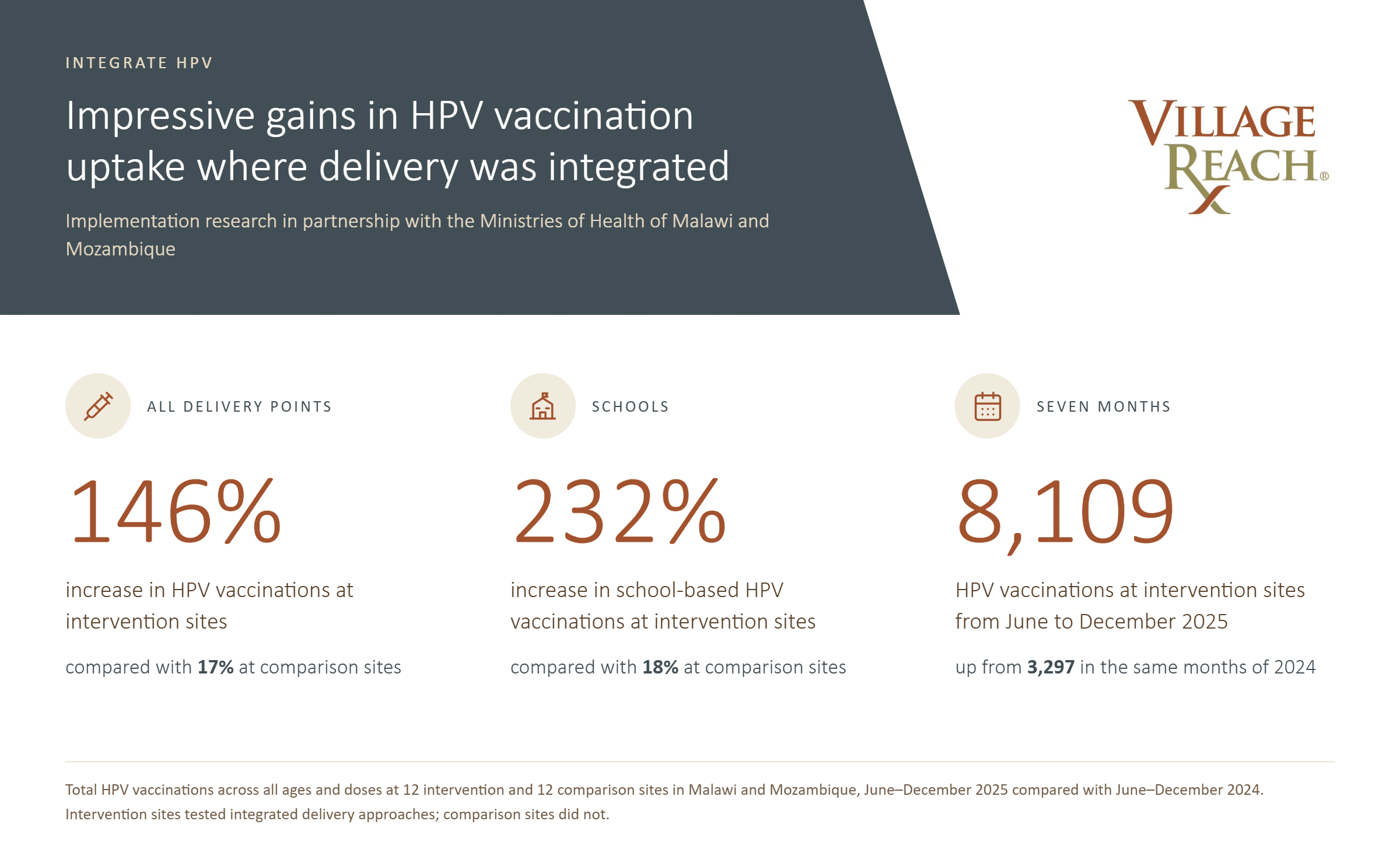
The results point to schools as a powerful anchor for routine HPV vaccination, but not a complete solution on their own. Reaching girls equitably requires multiple pathways through schools, facilities and communities, backed by reliable vaccine supply, transport, trained health workers and strong coordination between health and education. Community engagement also remains essential: some knowledge measures improved among health workers and educators in intervention areas, but misconceptions about HPV vaccination persisted at endline.
The project also exposed an important limitation of integrated care: services may be connected before the data are. HPV vaccination and adolescent-health information remained largely siloed, making it difficult to follow how individual girls moved between services or determine exactly which combinations of care they received. Future integrated delivery will require better-connected information systems and feedback loops alongside better-connected services.
INTEGRATE HPV shows the potential of designing vaccination around the lives of adolescent girls rather than around a single delivery channel. When communities help shape solutions and health systems connect schools, facilities, outreach and adolescent services, each contact becomes another opportunity to vaccinate and connect girls with the care they need.
Resources
Integrate HPV Malawi Results Brief
Integrate HPV Mozambique Results Brief
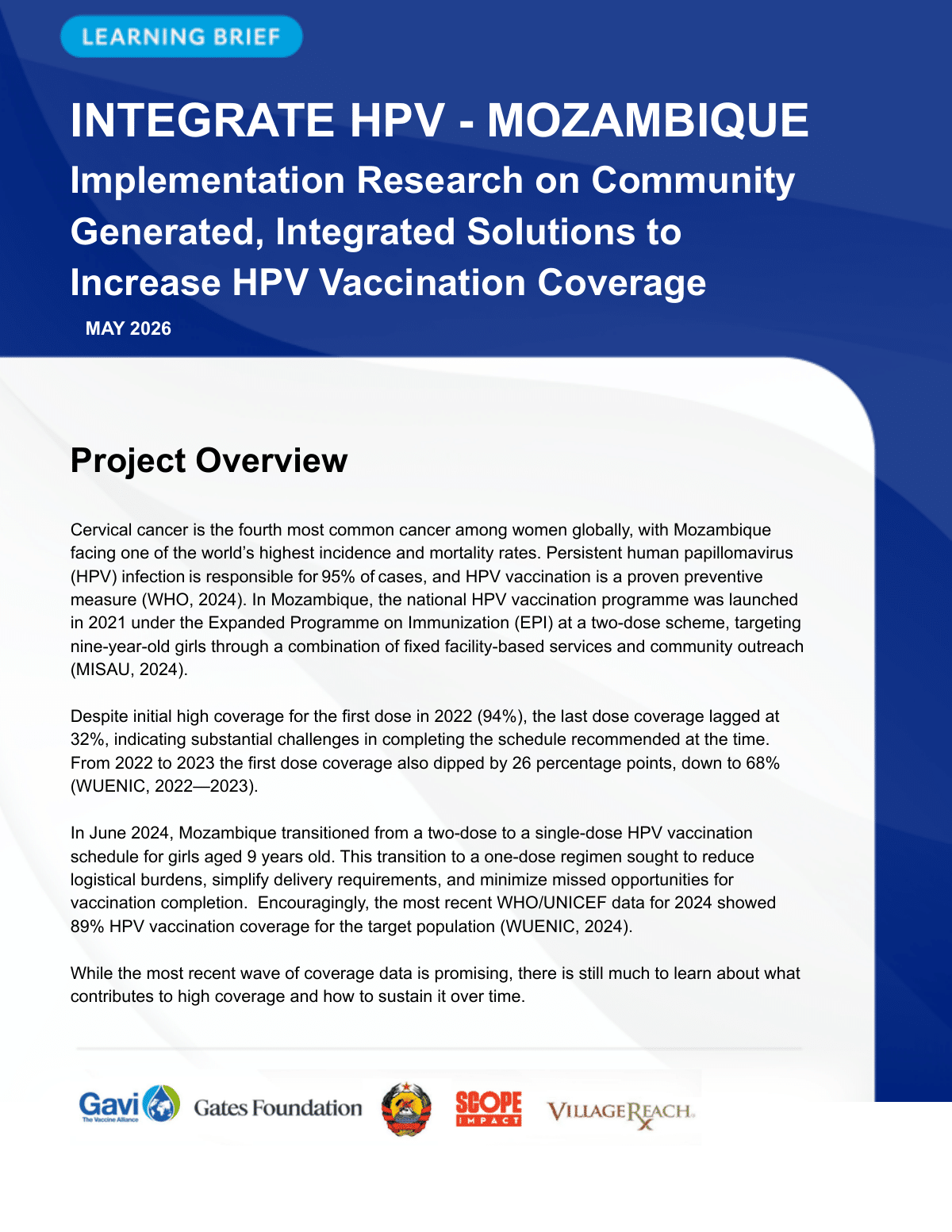
Integrate HPV Learning Brief: Mozambique
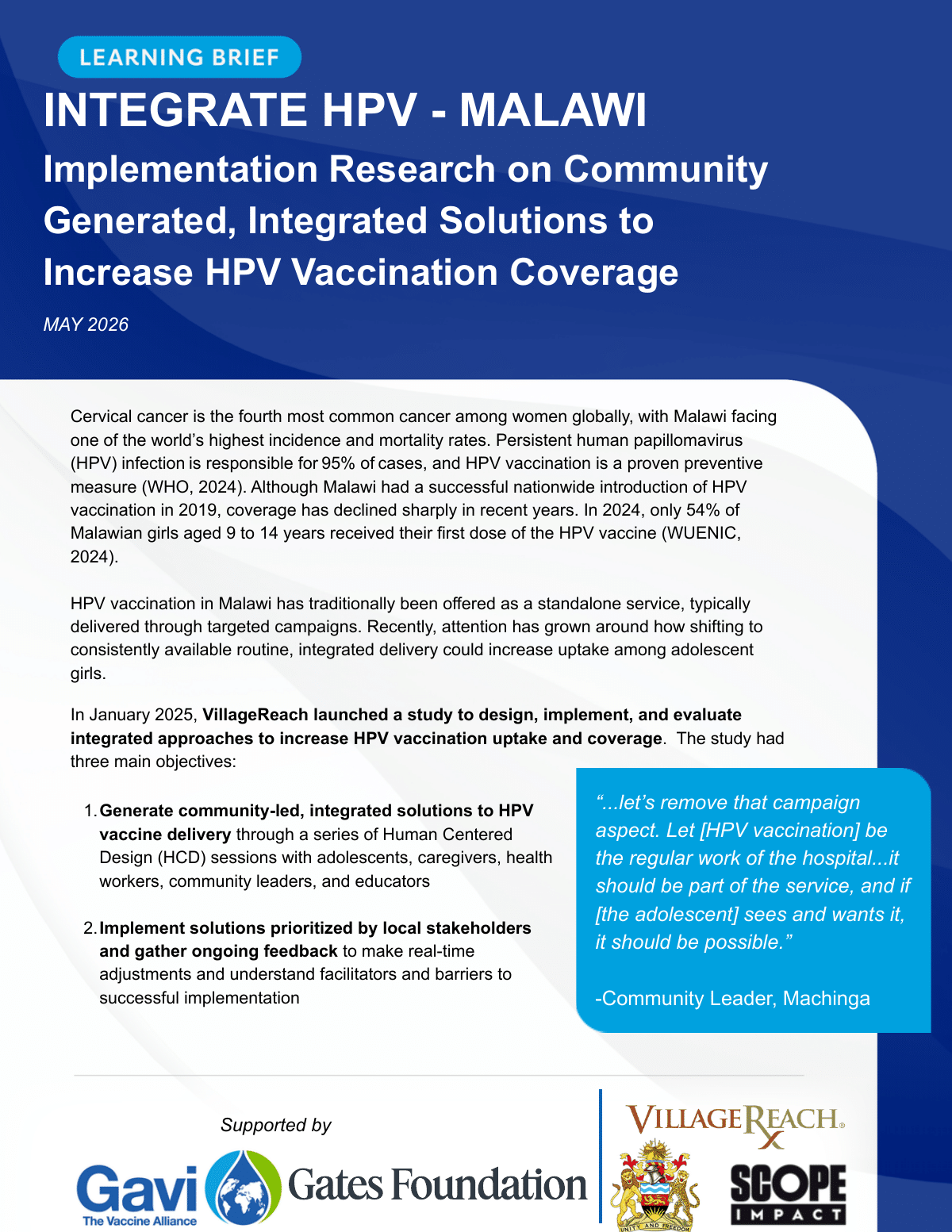
Integrate HPV Learning Brief: Malawi
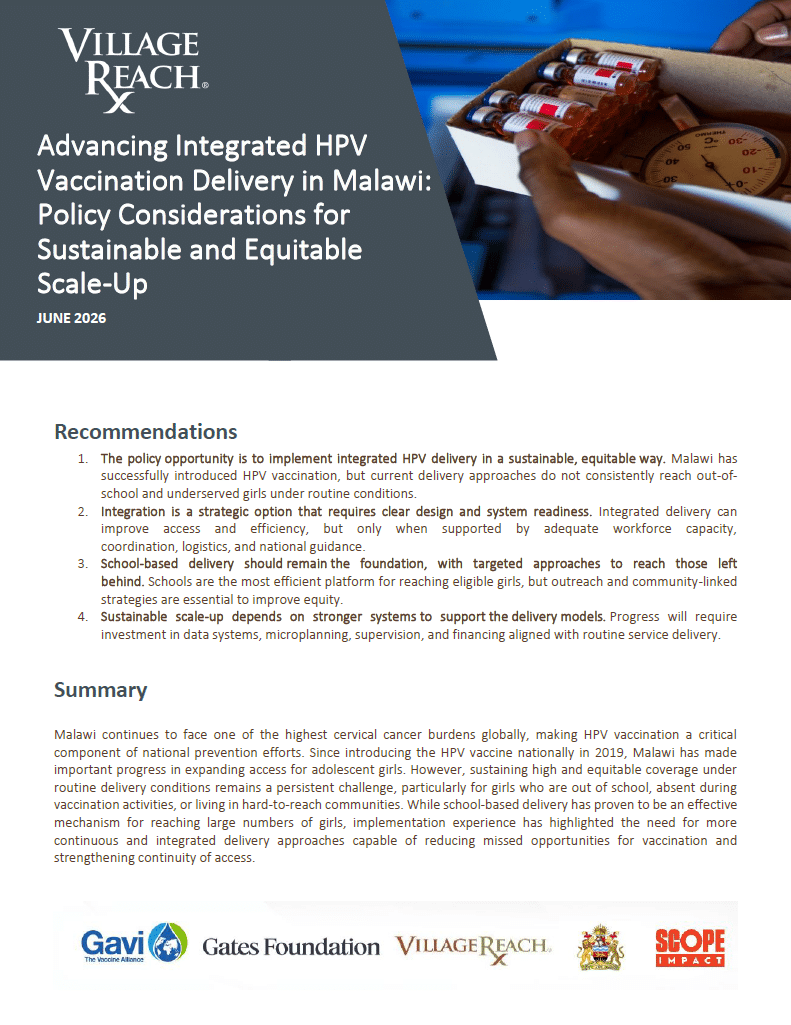
Advancing Integrated HPV Vaccination Delivery in Malawi
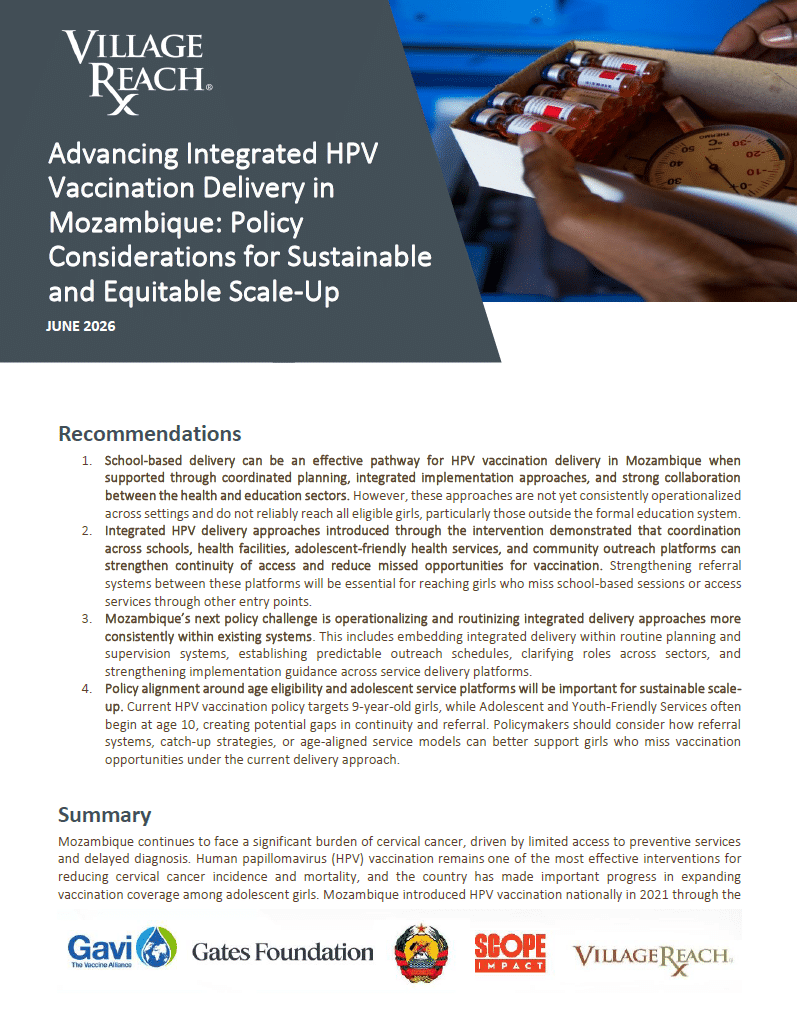
Advancing Integrated HPV Vaccination Delivery in Mozambique
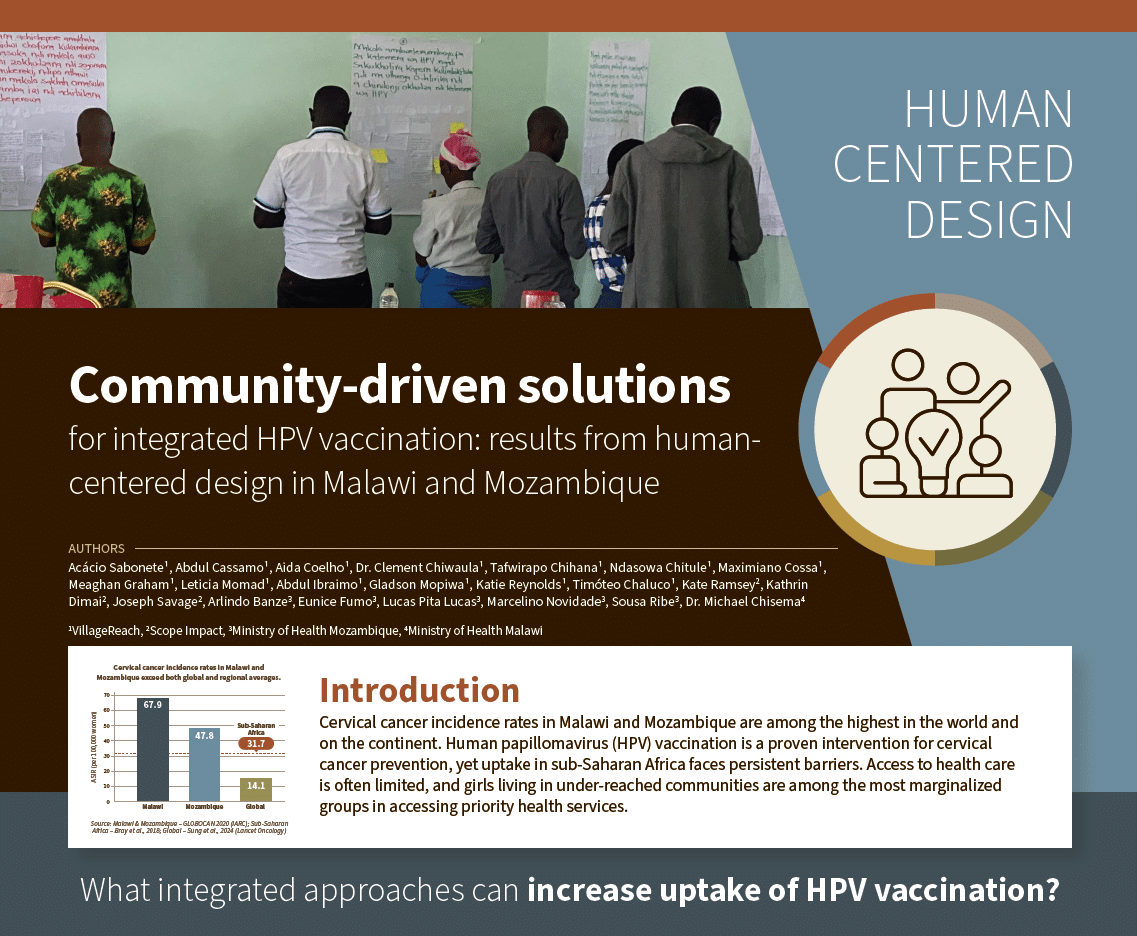
Human-Centered Design for HPV Vaccination in Malawi and Mozambique

Women’s and Adolescent Health in Mozambique FAQs

HPV Vaccination FAQs

HPV Vaccination Educational Cards

HPV Vaccination in Nigeria Educational Poster

Peer-to-Peer Learning to Improve HPV Vaccine Coverage: Nigeria Progress Update (October 2025)

Peer-to-Peer Learning to Improve HPV Vaccination Overview
Partners

Government
-
Ministry of Health in Malawi
-
Ministry of Health in Mozambique

Technical Partners
-
Scope Impact

Donors
-
Gavi, the Vaccine Alliance
-
Gates Foundation
Related Global Impact
See the latest updates from our work to improve access to quality healthcare in the world’s most underserved communities.
Peer-to-Peer Learning to Improve HPV Vaccine Coverage
VillageReach is a 501(c)(3) not-for-profit organization | EIN: 91-2083484
© Copyright 2026 VillageReach. All Rights Reserved. Privacy Policy | Photo Policy | Site by The Medium