
Peer-to-Peer Learning to Improve HPV Vaccine Coverage
We’re aiming to boost HPV vaccine coverage in Nigeria and Mozambique with peer learning for health workers to learn lessons, reach girls and improve delivery.
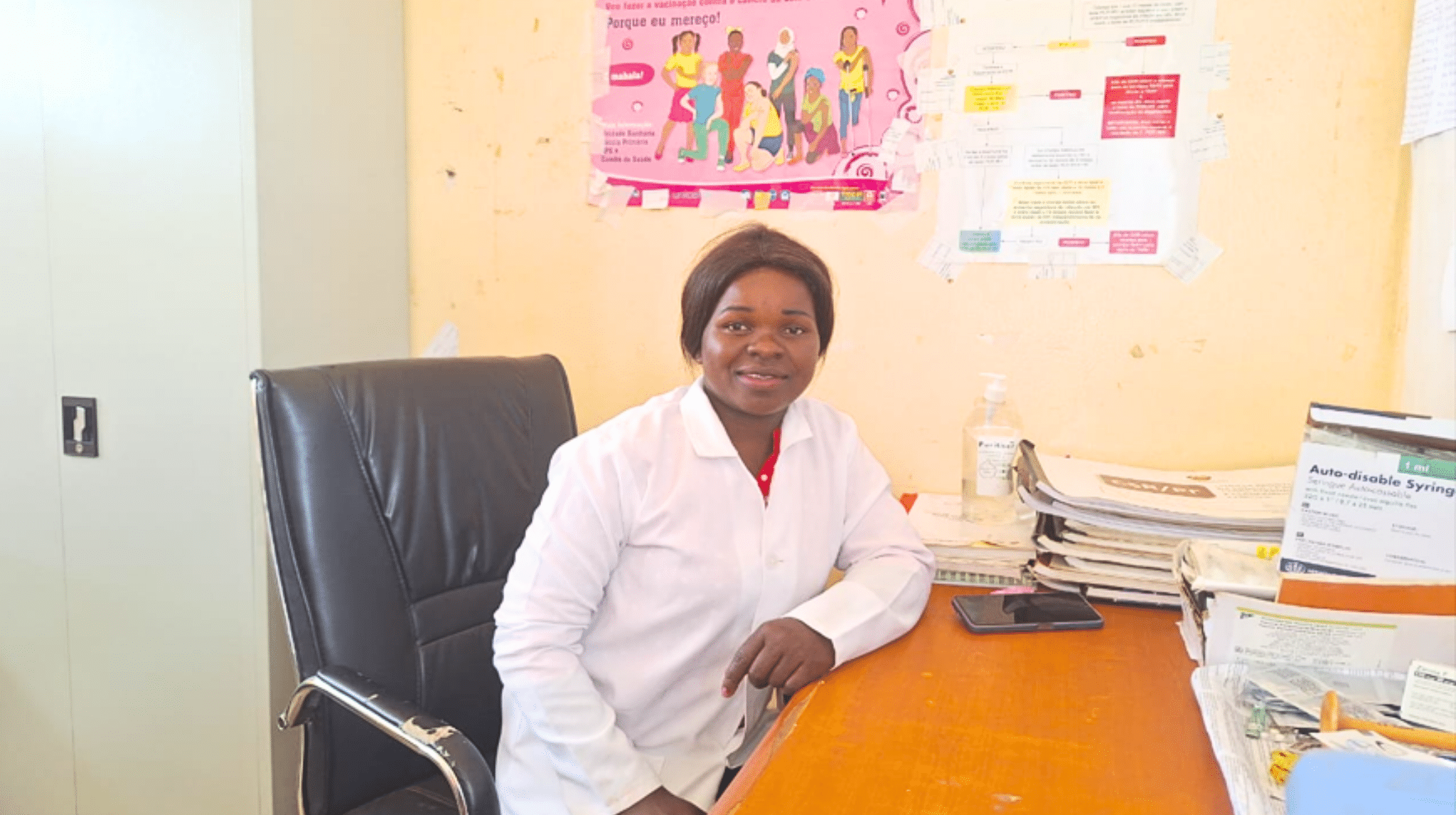
A Safer Future for Youth in a Single Appointment
On a warm morning in the Tsangano District, Tete Province, the corridors of Banga Health Center are already filled with young people. Some come for counseling. Others for reproductive health services. This is where we meet Delfina José Jairosse, a Maternal and Child Health...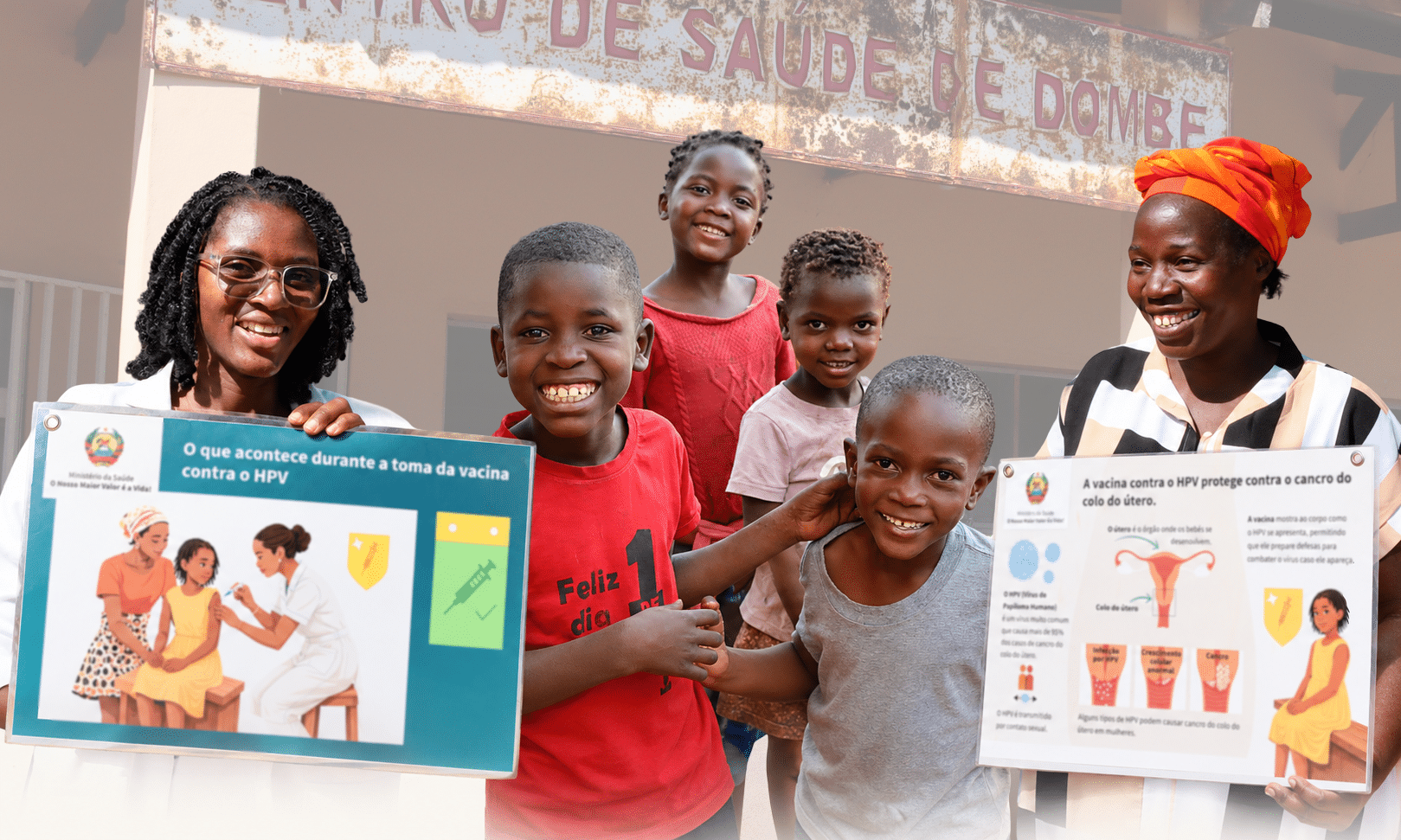
Transformar a troca de experiencias entre pares em acção concreta
This article was originally published in English. Em Julho, a VillageReach alcançou um marco importante ao transformar a aprendizagem entre pares para melhorar os resultados de vacinação, passando das ideias à acção. O programa Aprendizagem entre Pares (P2P) para Melhorar a Cobertura da Vacinação...
Day Zero Starts Before Disaster Strikes
When disaster strikes, we tend to measure response in hours. How quickly can first responders reach affected communities? How quickly can medicines arrive? How quickly can damaged health facilities begin caring for patients again?
When Learning Travels: Turning Peer Exchange into Action
Este artigo também está disponível em português. In July, VillageReach reached an important milestone in moving peer-to-peer learning to improve immunization outcomes from ideas into action. The P2P Learning to Improve HPV Vaccination Coverage program, co-implemented by BCL, enabled health workers, teachers and community...
Júlia’s Mission to Bring HPV Awareness to Her Community
Every sunrise signals a new day, and another opportunity for Júlia Aberto António to protect her fellow Mozambican women from Human Papillomavirus (HPV), the primary cause of cervical cancer. Júlia knows that cervical cancer remains the most common cancer among women in Mozambique, yet she remains hopeful that more can...
Marta Inspires HPV Awareness Beyond the Health Center
Marta Simone is a maternal and child health nurse assigned to the Instituto Agrário de Chimoio Health Center, known as IAC, in Vanduzi District, Manica Province, Mozambique. Her energy and dedication have become her trademark, making her well known among those who regularly visit the health facility. From...
Onésia: Turning Playtime into Cancer Prevention
On the school grounds in Dombe, children gather to play “mata mata,” the most common game in Onésia’s community. They mark a distance of 7 to 10 meters. At each end, two players from the same team stand, while two players from the opposing...
A “Model Mother” of Eight Helping Prevent Cervical Cancer in Mozambique
Days after completing a VillageReach training on human papillomavirus (HPV) vaccination and cervical cancer prevention as part of the Peer-to-Peer Learning to Improve HPV Vaccine Coverage project, Verónica Chimoio was putting what she learned into practice; she already had a full schedule. We found her beneath a large, leafy tree...
Teachers on the Frontline of Cervical Cancer Education in Vanduzi, Mozambique
When teachers share knowledge with children that goes beyond what is normally found in textbooks and curriculum, the impact can be profound. In Sussundenga and Vanduzi districts in Mozambique’s Manica Province, VillageReach is leading the fight against human papillomavirus (HPV), the virus that causes...
SPECIAL REPORT: Making Community-Designed Health Education Cards
Part 1: The Challenge Cervical cancer remains a profound global health inequity. Around 604,000 women were diagnosed in 2024 and about 280,000 died, with the highest incidence and mortality rates concentrated in low- and middle-income countries. HPV vaccination offers highly effective protection, and the...
Student Champions in Mozambique Promote HPV Vaccination in the Fight to Prevent Cervical Cancer
Just a few kilometers from the district headquarters of Cahora Bassa, in Tete Province, a transformation is taking place in the local community.
Student Champions Promote HPV Vaccination in the Fight to Prevent Cervical Cancer
Just a few kilometers from the district headquarters of Cahora Bassa, in Tete Province, a transformation is taking place in the local community. At Chirodzi Ponte Primary School, previously rare conversations are now part of everyday learning. Students are talking openly about HPV, cervical...
Older teens get a shot at safety as Mozambique launches HPV vaccine campaign
As Mozambique offered the cancer-blocking jab to girls aged from 12 to 18, the message was clear: it’s not too late to get protected.
New Film “Community Involvement to Advance HPV Vaccination”
Meet Nelma, one of the adolescents of Vanduzi District, Mozambique, recently vaccinated against HPV. In a new short film documenting the Peer-to-Peer Learning to Improve HPV Vaccine Coverage program, Nelma’s story is one of several that illustrate how communities, health workers and government partners...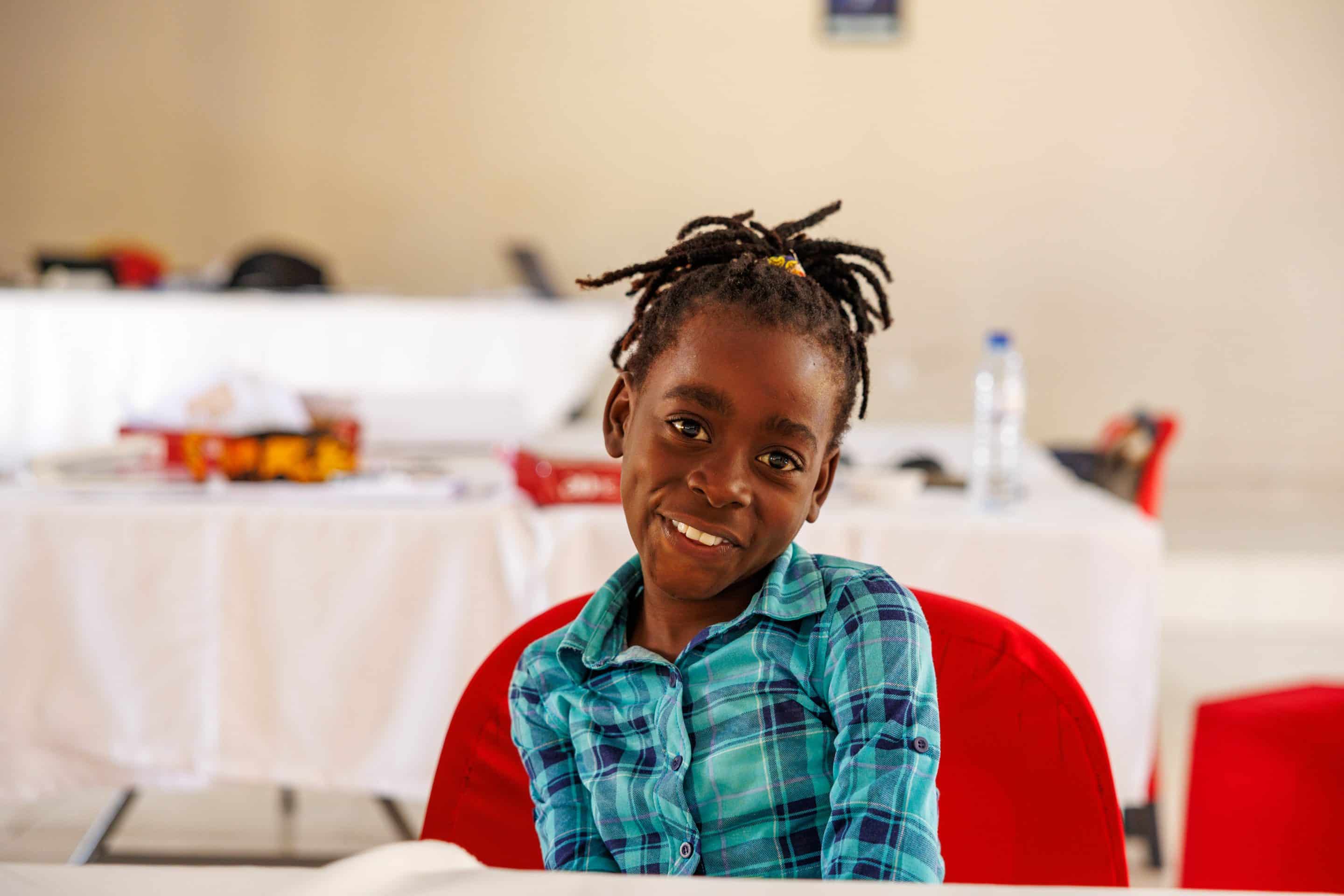
Meet the HPV Myth Breakers
Also in: Portuguese
This post is also available in Portuguese A new human papillomavirus (HPV) vaccine is bringing hope to women across Mozambique for a future free from cervical cancer. A new chapter begins in the fight against cervical cancer and, with it, a promising chance to...Overview
With shrinking budgets and competing priorities, governments often struggle to invest in the health workforce capacity needed for resilient health systems. Traditional in-person training is costly and difficult to scale. Digital approaches, particularly peer-to-peer learning combined with other capacity-building methods, have shown promise in improving health workers’ knowledge, motivation and skills, while enabling the sharing of best practices. Peer-led learning offer a more cost-effective and sustainable model for workforce development—but does it work at scale, and is it truly cost effective? This project seeks to answer these questions.
Bull City Learning (BCL) and VillageReach are implementing two different approaches to peer-to-peer learning in Nigeria and Mozambique to build the capacity of healthcare workers and subnational managers in addressing HPV vaccination challenges – then evaluating cost and outcomes of these approaches.
Teams of health workers and community representatives co-create and test contextualized solutions to HPV vaccination challenges through an 8-month independent implementation phase accompanied by peer exchanges.
Sub-national groups of health managers engage in structured learning using the Immunization Academy (IA) Learn app and peer mentorship to enhance technical skills in HPV vaccine delivery.
How It Works
We will measure the approaches feasibility, acceptability, costs, learning outputs and potential for scale.
These learning methods will be applied to HPV for this project, but in theory could be used across any health worker topic, thus enabling this project to inform broader lessons about how we can use innovative, peer-led approaches to support health workers with skills, motivation and capacity to provide high quality services.
The introduction of the HPV vaccine in many low- and middle-income countries (LMICs) marks a critical step forward in preventing cervical cancer and saving lives. However, this milestone brings a new set of challenges for national immunization programs. Unlike traditional vaccines aimed at infants, the HPV vaccine targets adolescent girls—a population that has been harder to reach through existing health delivery systems.
This project leverages novel learning approaches to support health workers to develop new skills, strategies and systems to navigate this transition and ensure that HPV vaccine coverage grows equitably and effectively.

Protecting girls from cervical cancer
When Learning Travels
Across Nigeria and Mozambique, preventing cervical cancer starts with people having the information, confidence and support to act.
Teachers are talking with students. Mothers are helping other parents make informed decisions. Young people are sharing what they learn with friends, while health workers are finding new ways to answer questions and reach communities.
VillageReach’s peer-to-peer learning work brings these people together to strengthen HPV vaccination, develop practical solutions to local barriers and learn what helps knowledge travel further.
People
Meet the people helping HPV knowledge travel
Across communities in Mozambique, teachers, caregivers, health workers and young people are turning what they learn into conversations, support and action that can help protect more girls from cervical cancer.

Teacher
Teachers on the Frontline of Cervical Cancer Education
See how teachers are helping bring HPV and cervical cancer education into the classroom.
Read story
Caregiver
A Model Mother Helping Prevent Cervical Cancer
Trusted caregivers are helping other families understand HPV vaccination and make informed decisions.
Read story
Peer learning
Onésia: Turning Playtime into Cancer Prevention
Everyday conversations can become opportunities to share knowledge that helps protect girls from cervical cancer.
Read story
Health worker
Marta Inspires HPV Awareness Beyond the Health Center
Health education can travel beyond clinical settings and into the places where communities live and gather.
Read story
Community action
Júlia's Mission to Bring HPV Awareness to Her Community
One person's learning can spread through households, neighbors and community networks.
Read story
Design
Creating tools people can actually use
See how community members, health workers and designers worked together to turn questions, concerns and local experience into practical HPV education materials for everyday conversations.
Explore the special report
What we're learning
Different ways to learn. A shared goal.
Early findings from Nigeria and Mozambique are showing gains in health worker confidence, readiness and technical skills across in-person peer groups, virtual peer groups and AI-supported mentoring.
Explore the emerging resultsResources
Integrate HPV Malawi Results Brief
Integrate HPV Mozambique Results Brief
Integrate HPV Learning Brief: Mozambique
Integrate HPV Learning Brief: Malawi
Advancing Integrated HPV Vaccination Delivery in Malawi
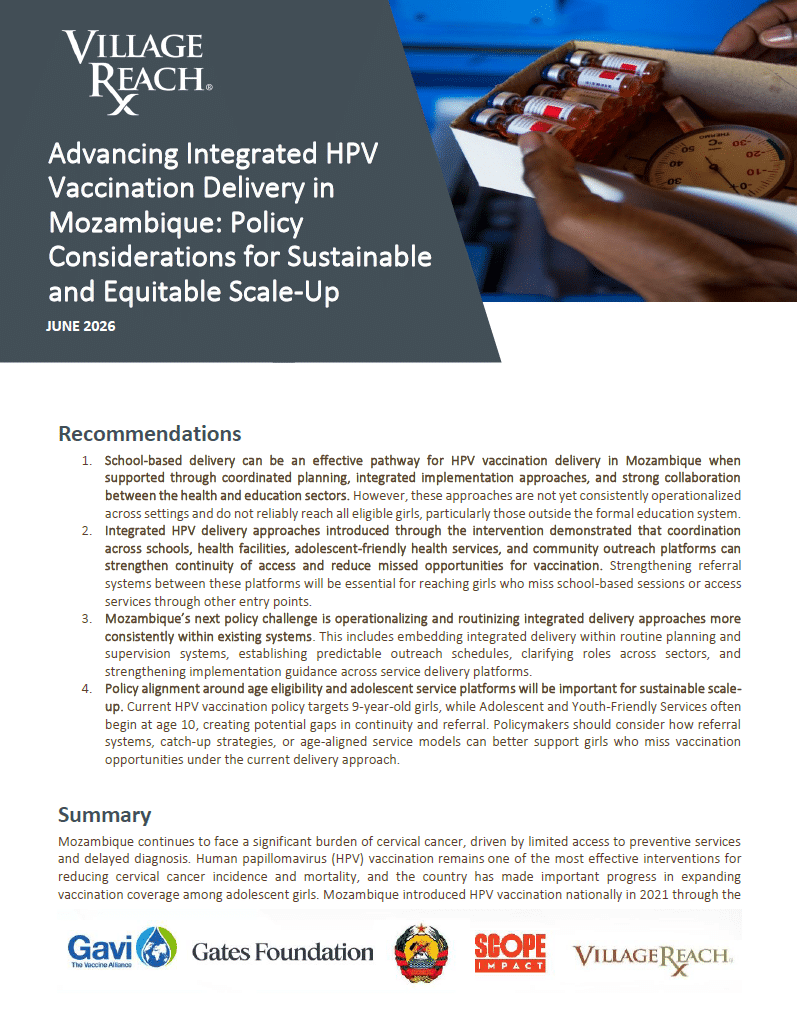
Advancing Integrated HPV Vaccination Delivery in Mozambique
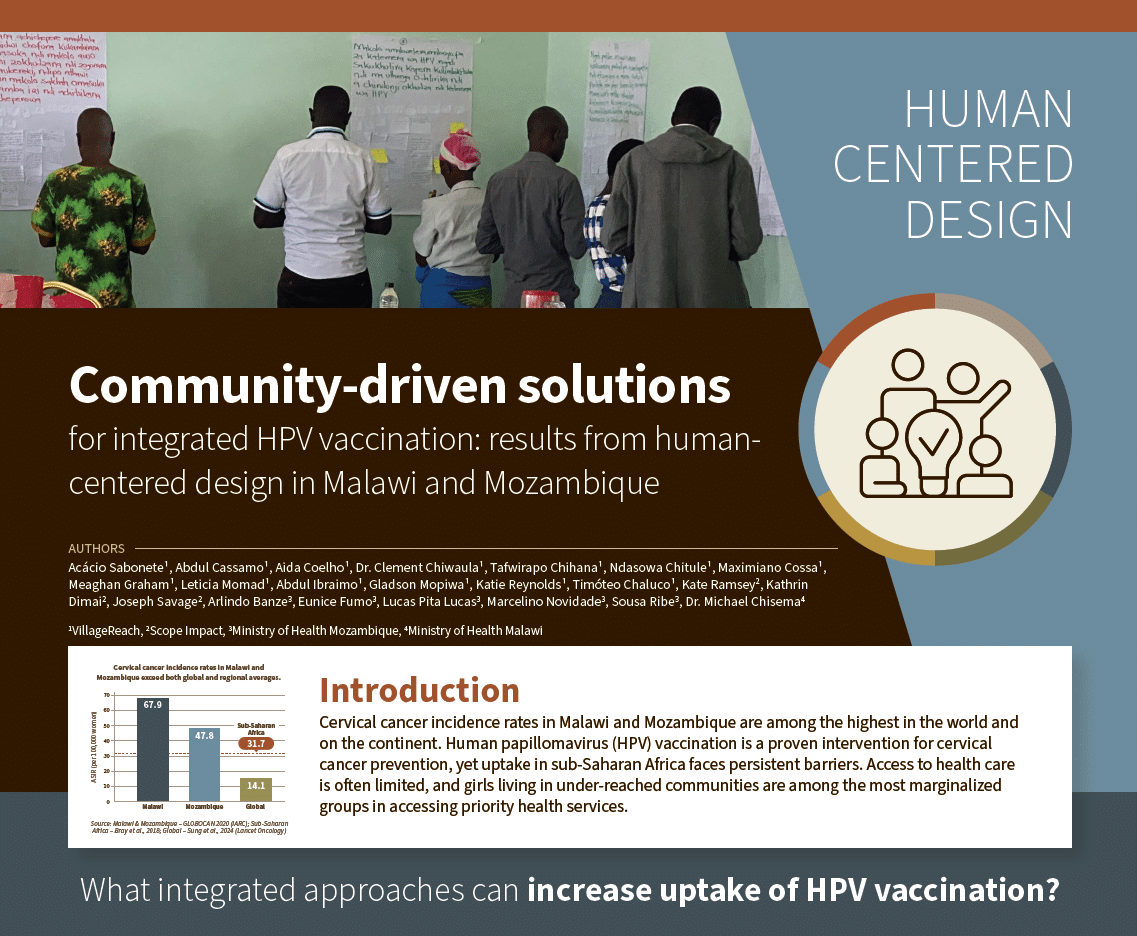
Human-Centered Design for HPV Vaccination in Malawi and Mozambique

Women’s and Adolescent Health in Mozambique FAQs

HPV Vaccination FAQs

HPV Vaccination Educational Cards

HPV Vaccination in Nigeria Educational Poster

Peer-to-Peer Learning to Improve HPV Vaccine Coverage: Nigeria Progress Update (October 2025)

Peer-to-Peer Learning to Improve HPV Vaccination Overview
Immunization Academy
To strengthen the capacity of health workers planning and delivering HPV vaccination services, this project will leverage the Immunization Academy (IA)—a digital learning platform designed to equip frontline health professionals with practical, easy-to-understand training.
Through the IA Learn app, the project introduces new online learning content specifically tailored to the needs of health managers in Nigeria and Mozambique. This curriculum addresses critical challenges such as increasing demand for the HPV vaccine, improving uptake among adolescent girls.
Aligned with national Expanded Programme on Immunization (EPI) priorities, the training is accessible to all health professionals nationwide, not only during the project period but as a lasting resource to support routine immunization and adolescent health services into the future.
Click through the slider below to learn more:
Visit the Immunization Academy
Partners

Government
- Mozambique EPI
- Nigeria EPI

Technical Partners
-
Bull City Learning

Donors
-
Gates Foundation
Related Global Impact
See the latest updates from our work to improve access to quality healthcare in the world’s most underserved communities.