
Rapid Response & Repair (R3) for Cold Chain Maintenance
Vaccines can lose potency when cold chain equipment fails. Through the Rapid Response and Repair initiative, VillageReach helped Malawi’s Ministry of Health turn temperature data into timely action, keeping vaccines effective and available.

Countries Lead: How Malawi Rapidly Boosted Preventive Maintenance for Vaccine Refrigerators
Originally published on Nexleaf. Wellington Mkweza is a Cold Chain Technician (CCT) in Mangochi District, Malawi. He is responsible for all the vaccine refrigerators and remote temperature monitoring devices (RTMDs) across his district: over 80 equipment units in total across 39 health facilities. With...
The Way There: Maintaining Health Product Quality in Transit
Increasing access to essential medicines and vaccines is critical to achieving universal health coverage. This, of course, is no simple task, especially in Africa where the challenges, both logistical and financial, are real,1 and the solutions are complex and varied. But to truly ensure...
Using Digital Tools to Strengthen Vaccine Delivery
Download the VillageReach 2024 Annual Report, “Accelerating Impact for Better Care.” In the heart of Malawi’s Mangochi District, Benson Chitowe embarks on a 104-kilometer journey with vaccines carefully packed in a vaccine carrier strapped to his motorbike. Heavy rain turns the roads into mud...
Behind the Cold Chain: The Unsung Heroes of Vaccine Safety
Ramson Kambaire, a Cold Chain Technician (CCT) in Malawi, reflects on his decade-long dedication to maintaining the cold chain: “I feel proud knowing that my work helps keep vaccines safe for children. When I check the temperature and ensure the equipment works, I know...
What it will take to deliver the COVID-19 vaccine.
It is hard to believe that we are coming up on a year of the battle against COVID-19. And 53 million cases later, we are starting to see promising results from one of many vaccines in the race – a Pfizer experimental vaccine shown...
It takes a village to deliver the first vaccines by drone in DRC
Originally posted on Medium.com I started working in the Democratic Republic of Congo (DRC) four years ago when VillageReach was approached with an opportunity–to improve the availability of vaccines and essential medicines in rural Equateur province. I never back down from a challenge, and...
DRC Vaccine Hero: Jean Louis Esanzo
Jean Louis Esanzo, is the Superintendent Nurse at the Konongo Health Center, in the Mankanza health district of Equateur province, DRC. Konongo Health Center supplies vaccines and essential medicines for many surrounding villages. However, the only way to get vaccines to Konongo from the...
Keeping Cool: A New Partnership with Bull City Learning
Vaccines are extremely sensitive to temperature. They must remain between 2 and 8 degrees Celsius in order to remain viable. Outside of this temperature range, vaccines become less effective at preventing diseases. Because of this, the storage and handling of vaccines need careful attention....
Puzzle Pieces: How data, trucks and fridges can help deliver the African Union's Commitment
Versão português With the endorsement of the Addis Declaration on Immunisation, African leaders demonstrated their commitment to life-saving immunizations. The Declaration names a number of components – ten, in fact – crucial to realizing the full benefits of immunization. But there are many more...
Lessons Learned from Brazil's EPI Program
This week, the team of VillageReach is participating in the “Jornadas de Saude” (Mozambique health fair). We attended today a very impactful presentation on successes and challenges on the introduction of multiple vaccines into the EPI program in countries with limited resources.
Inside the Warehouse – Vaccine “Accessories” and the complexity of the cold chain
Olivia Vargas is currently in Mozambique conducting a midline evaluation of the ColdTrace pilot program, a remote temperature monitoring system for vaccines currently operating in the southern portion of the Gaza Province where she recently visited a vaccine warehouse as inspiration for this blog....
Five Lessons For Closing the Immunization Gap
For the last fifteen years, VillageReach has been working to help ensure all children have access to vaccines. I have had the opportunity to spend time in rural health facilities across sub-Saharan Africa, talk with hundreds of healthcare workers, and meet with numerous leaders...
You Can't Manage What You Can't See
Improving Data for Management of the Vaccine Cold Chain in Mozambique Last week I was spending a lot of time with my colleague from UNICEF/Mozambique to create a distribution plan for new cold chain equipment procured and funded by UNICEF. This is a great...
Chuvas intensas no centro e norte de Moçambique e o seu impacto no acondicionamento de vacinas, o caso da província de Niassa
ENGLISH VERSION O clima em Moçambique é caracterizado por ser húmido e tropical, estando na lista dos países do mundo mais vulneráveis a catástrofes naturais, segundo as Nações Unidas.
Testing New Ways to Improve the Cold Chain
Reposted from the Bill and Melinda Gates Foundation Blog: Impatient Optimists 5.6.2014 As a Technical Officer with VillageReach, I am responsible for working with our partners at the provincial health department and in the health centers to support new cold chain monitoring technology. In this role,...Background
Vaccines must be stored within recommended temperature ranges to remain effective. When cold chain equipment fails, vaccines can lose potency and stockouts can occur, so children may miss vaccinations and remain vulnerable to vaccine-preventable diseases. While remote temperature monitoring systems for cold chain equipment can identify problems in real time, access to data alone does not ensure timely action, particularly when government teams lack the capacity to monitor, interpret and respond to the information.
Through the Rapid Response and Repair (R3) initiative, VillageReach worked with Malawi’s Ministry of Health and partners to strengthen the systems, processes and resources needed to turn maintenance information into action and keep vaccines potent and available when and where they are needed.
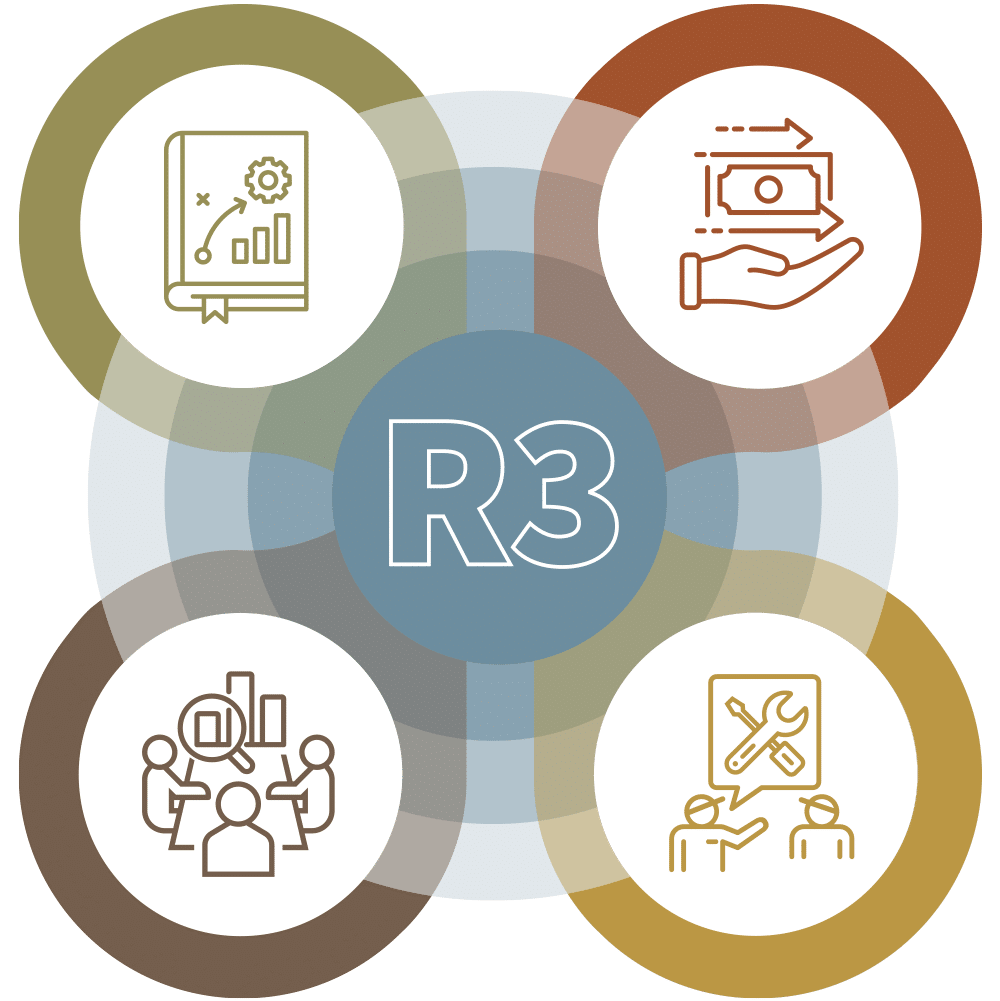
How It Works
Effective cold chain equipment maintenance depends on four interconnected functions: clear maintenance processes, timely access to resources, practical technical support and routine use of data for decision-making. To strengthen these functions, the R3 initiative developed four complementary prototypes. At the center is the R3 Playbook, a practical resource that documents maintenance workflows, tools and guidance, and serves as the operational backbone of the broader R3 approach.
- R3 Playbook: A consolidated maintenance reference that documents workflows, tools, escalation pathways and responsibilities.
- Rapid Response Fund (RRF): A structured mechanism to mobilize resources for urgent maintenance and repair needs.
- Cold Chain Technician Mentorship and Supportive Supervision: A hands-on approach to strengthening technical capacity through mentorship and peer learning.
- Cold Chain Data Review Meetings: Routine forums to review maintenance information, identify priorities and track follow-up actions.
Together, these prototypes provide practical tools and lessons that governments and partners can adapt to strengthen cold chain maintenance systems in their own contexts.
Resources

Rapid Response Fund (RRF)
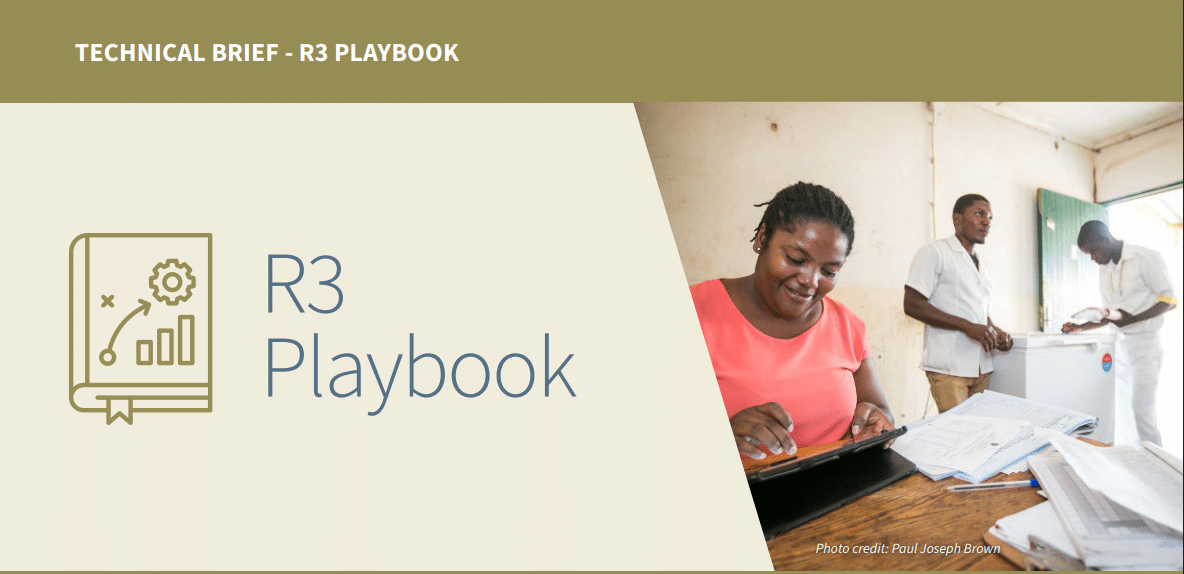
R3 Playbook
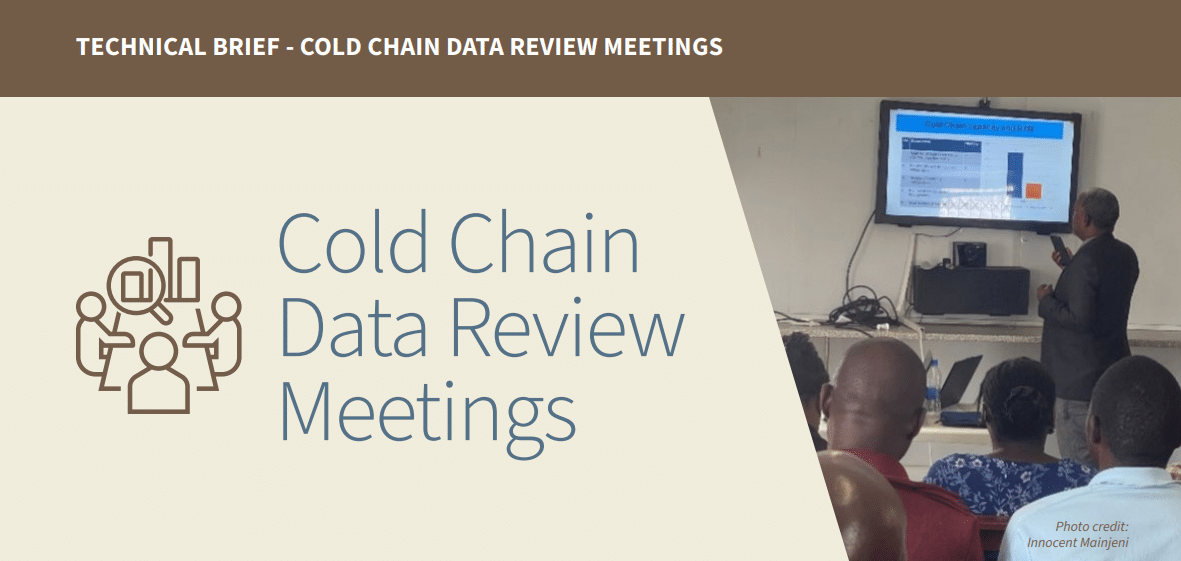
Cold Chain Data Review Meetings
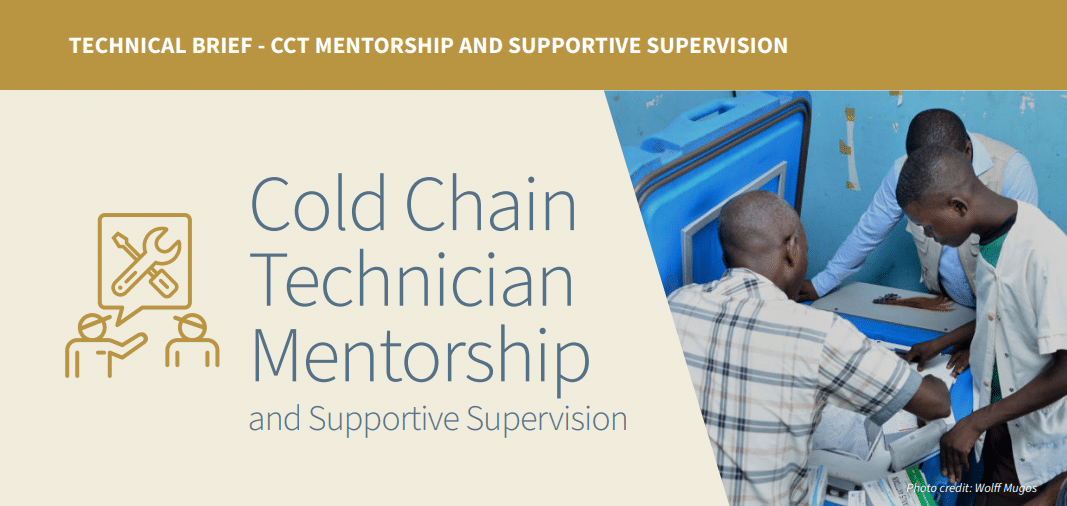
Cold Chain Technician Mentorship and Supportive Supervision
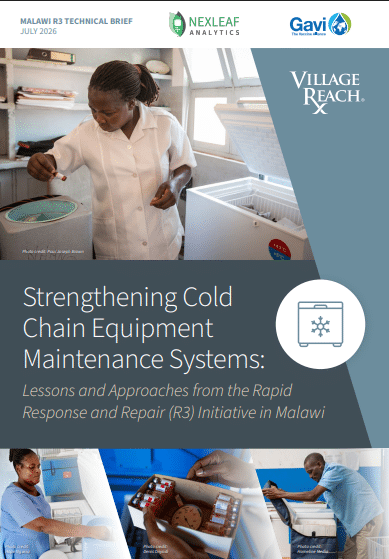
Lessons and Approaches from the Rapid Response and Repair (R3) Initiative in Malawi

Immunization Supply Chain (iSC) Supportive Supervision Tool

Technical Brief – Designing a Smarter Cold Chain System in Malawi

iSC Digital Supportive Supervision Tool Package

Case Study – Enhancing Vaccine Supply Chains through Digital Tools in Mangochi, Malawi

Equity approach to cold chain deployment: Application in Pakistan

Promoting Equitable Health Product Access through Supply Chain Design

ColdTech Program Overview
Root cause analysis of cold chain equipment failures

Finding Efficiencies in Zambia’s Immunisation Supply Chain

Lessons Learned in Reaching the Final 20: Building a Next-Generation Immunization Supply Chain in Mozambique
Program Impact
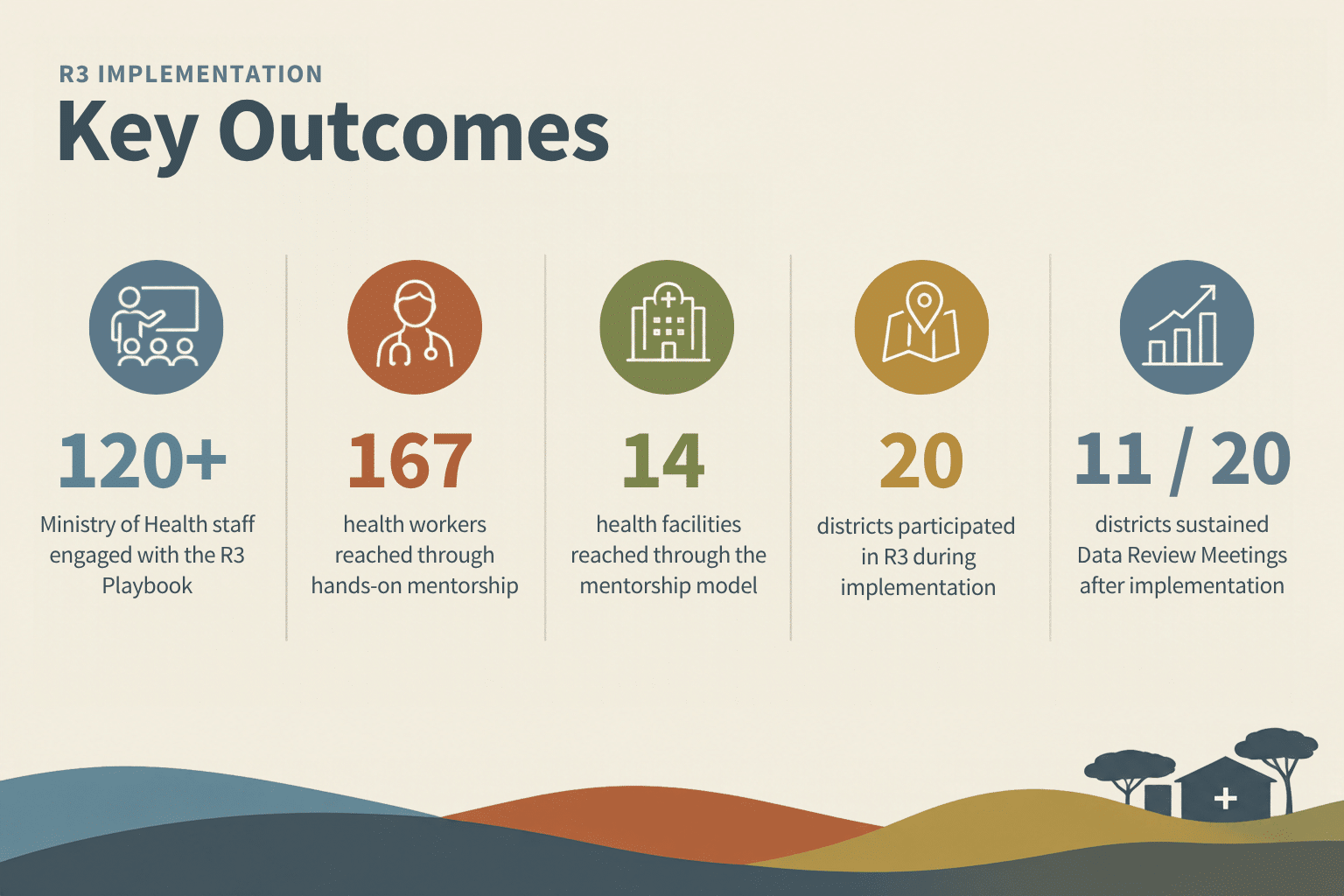
The Malawi experience demonstrates that strengthening cold chain maintenance requires more than equipment and technology alone. Clear processes, timely resources, skilled technicians and routine use of data can help ensure vaccines remain available, potent and ready to protect communities.
Partners

Government
-
Malawi Ministry of Health
-
Expanded Programme on Immunization (EPI)
-
Physical Assets Management (PAM)
-
District Health Offices and District EPI Teams

Technical Partners
-
Lilongwe Technical College
-
Nexleaf Analytics
-
Clinical Research Education and Management Services (CREAMS)

Donors
- UNICEF
- Gavi, the Vaccine Alliance
Related Global Impact
See the latest updates from our work to improve access to quality healthcare in the world’s most underserved communities.