

This post is also available in Portuguese
A new human papillomavirus (HPV) vaccine is bringing hope to women across Mozambique for a future free from cervical cancer. A new chapter begins in the fight against cervical cancer and, with it, a promising chance to stop one of the deadliest diseases before it takes root.
Yet that promise is under threat.
In many communities, new vaccines are understandably met with questions and hesitancy that can grow into deep-rooted myths: falsely associating the HPV vaccine with infertility in girls, for instance. In communities like Vanduzi and Sussundenga, in Manica Province, these beliefs stand as barriers to progress, turning the battle for health into a battle for truth.
Just as this life-saving protection reaches communities, it meets resistance. In these communities, some men, who often hold household decision-making power view a vaccinated girl as unsuitable for marriage. Since marriage is widely seen as a firm measure of success, altering this narrative across Manica and Mozambique more broadly is an urgent task.
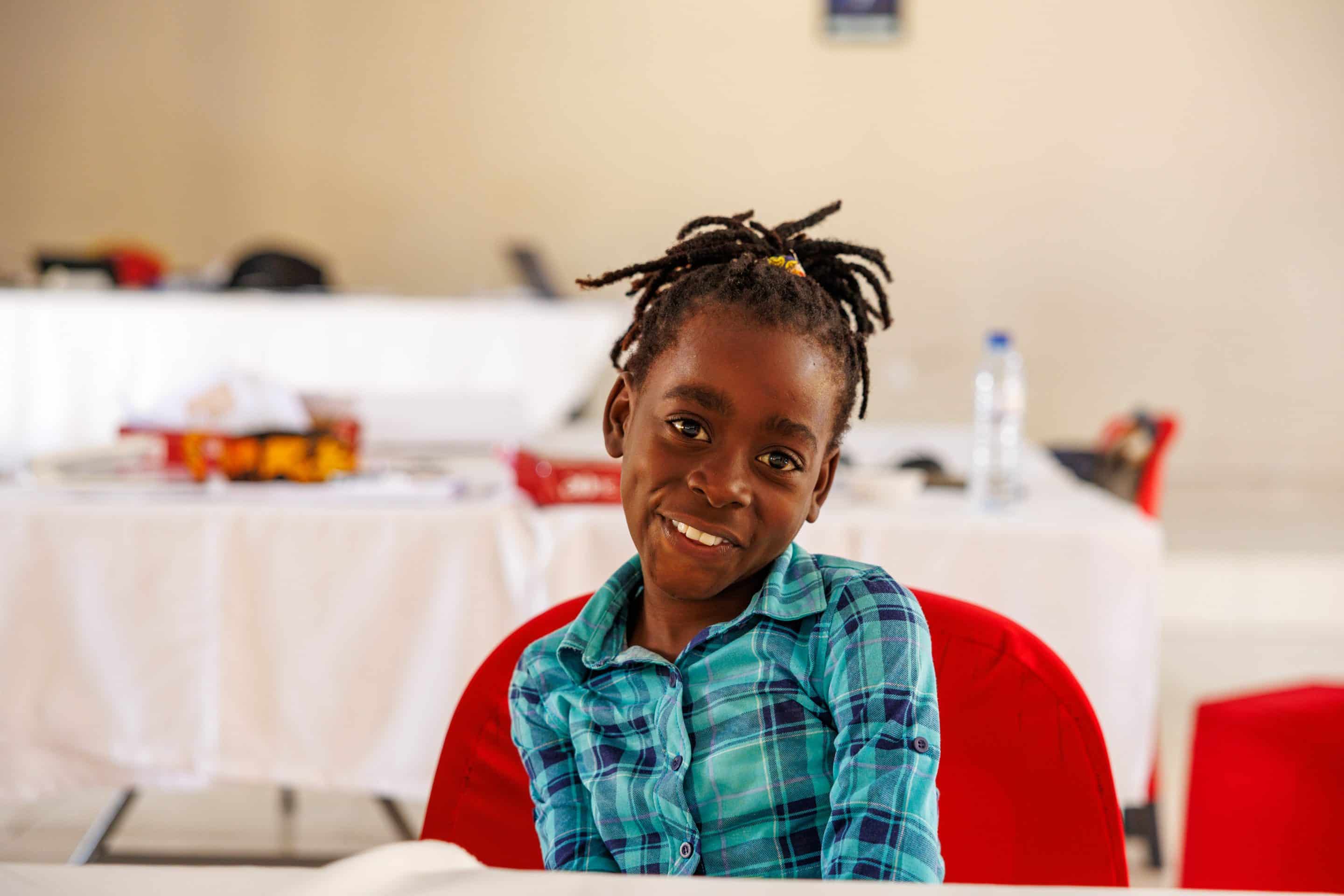
It is here, a few kilometers from Vanduzi’s village center in the well-known “Cruzamento” area, that we meet Yara*, an 11-year-old sixth-grade student. Today, Yara is a young activist against cervical cancer, a disease that claims a woman’s life every two minutes.
She knows vaccine conversations are controversial in her community. Still, she has chosen to speak honestly about them to other girls at school and in the neighborhood. She aims to help protect girls from cervical cancer.
The Hidden Truth
In Vanduzi and Sussundenga, the difficulties of delivering HPV vaccines and other health services are stark realities. These barriers hide a crucial fact: vaccinated girls are far less likely to contract HPV and develop cervical cancer.
Cervical cancer is the most common cancer among women living with HIV in Mozambique, where roughly 15% of women aged 15 and older are living with the virus. HIV-positive women face a higher risk of persistent HPV infection and are six times more likely to develop cervical cancer at younger ages.
Mozambique has 9.5 million women aged 15 and older who are at risk of developing cervical cancer. Current estimates show that each year, 5,325 women are diagnosed, and 3,850 die from the disease.
The harsh reality is that most of these women are young, live in some of the country’s poorest areas and have fewer educational opportunities. Many are mothers of young children whose survival is threatened by their mothers’ premature deaths.
Community Conversations
Breaking myths and entrenched cultural habits is an ongoing battle, especially in places like Vanduzi and Sussundenga, where access to information can be limited and illiteracy rates remain high.
Yara is one of many at risk, but she understands the facts. She lives this reality, where girls face many obstacles to learning the truth and protecting themselves from health risks. She recently participated in a Manica Province workshop as a community representative at the VillageReach and Bull City Learning’s Peer-to-Peer Learning to Improve HPV Vaccine Coverage initiative.
“I learned about the vaccine and its importance for adolescents. It’s important to get vaccinated to stay healthy. I’ll talk to all the girls. Vaccines help us because we won’t get sick,” Yara said, her eyes bright and determined.
Her workshop participation was a catalyst for understanding and action. She knows the road ahead will not be easy, but she remains committed. “I asked that children be allowed to get vaccinated because vaccines save lives,” she added.
Her dream? “When I grow up, I want to be a nurse.” Following the workshop, she believes she will be able to save even more girls in her community.
A United Front for Change
Yara’s fight is shared by many.
The two workshops organized by VillageReach brought together professionals from the Expanded Program on Immunization (EPI), including preventive medicine technicians, maternal and child health nurses, EPI focal points at health facilities, and technicians from the district health service for women and social action, alongside community members such as teachers, community leaders, parents and caregivers of girls in the target group.
In Sussundenga, we spoke with Godifri Tomás Eduardo, the district lead for community engagement: “The workshop was important because we learned how to create solutions to fight HPV-related cancer. We need strategies not just for vaccination but also to reach girls who have been left out because of community myths. We learned how to create solutions, such as forming women’s committees that health professionals can train. These professionals can then educate the committees on the importance of HPV vaccination. Community committees can spread this information to others. It’s not just about technical knowledge, but community involvement in mobilization.”
To eliminate myths, Eduardo believes intensifying education around vaccination is essential. One idea is to build communication networks within schools that include principals and teachers. Training teachers on HPV is also part of his plan.
His vision is supported by Marta Samuel, a mother of five who attended the Vanduzi workshop. There she learned more about cervical cancer and committed to speaking with other community members, especially mothers, to encourage them to bring their daughters for vaccination.
Nilsa Mabunda, VillageReach Peer-to-Peer Learning Manager, explained how the workshops were structured to co-create solutions for HPV vaccination challenges with communities in Sussundenga and Vanduzi. In Sussundenga, “participants were highly engaged and showed a strong desire to improve HPV vaccination. They understood their role in driving change. We created personas representing caregivers, teachers, community leaders and health technicians, and analyzed all aspects of their journeys, including access to information.”
In Vanduzi, the second workshop focused on co-creating solutions to address local challenges. The participating health technicians realized they are part of the solution and embraced the project. It’s another open door for more girls to be vaccinated and protected from cervical cancer.
Local health teams, schools and community leaders continue to coordinate outreach, share accurate information and track vaccination coverage. Together, these small, sustained steps will change perceptions, increase uptake and ultimately save lives across these districts and beyond.
For girls like Yara, the HPV vaccine offers genuine hope that this long health fight may soon be over. Small seeds planted by HPV Myth Breakers today can grow deep roots and healthier communities for tomorrow.
Watch the film Communities Together to Improve HPV Vaccine Coverage now.
*Name changed to protect anonymity.