


Photos by Arsénio Manhice and VillageReach
Preventing cholera is more effective than treating it, especially in Meconta district, in Mozambique’s Nampula province, where the disease finds fertile ground. Unsafe drinking water and waste near homes give it room to spread, and misconceptions about what causes cholera and other diarrheal diseases can slow prevention.
In September, Mozambique’s Ministry of Health, the Nampula Provincial Health Service and the Meconta District Health, Women and Social Action Service (SDSMAS) led training on cholera surveillance, prevention and preparedness for health workers from several specialties ahead of the rainy season. The training is the first phase of a pilot of the Cholera Capacity Building, Surveillance and Prevention Plan in Meconta, implemented by the Foundation for Community Development (FDC) and VillageReach with funding from the Gates Foundation.
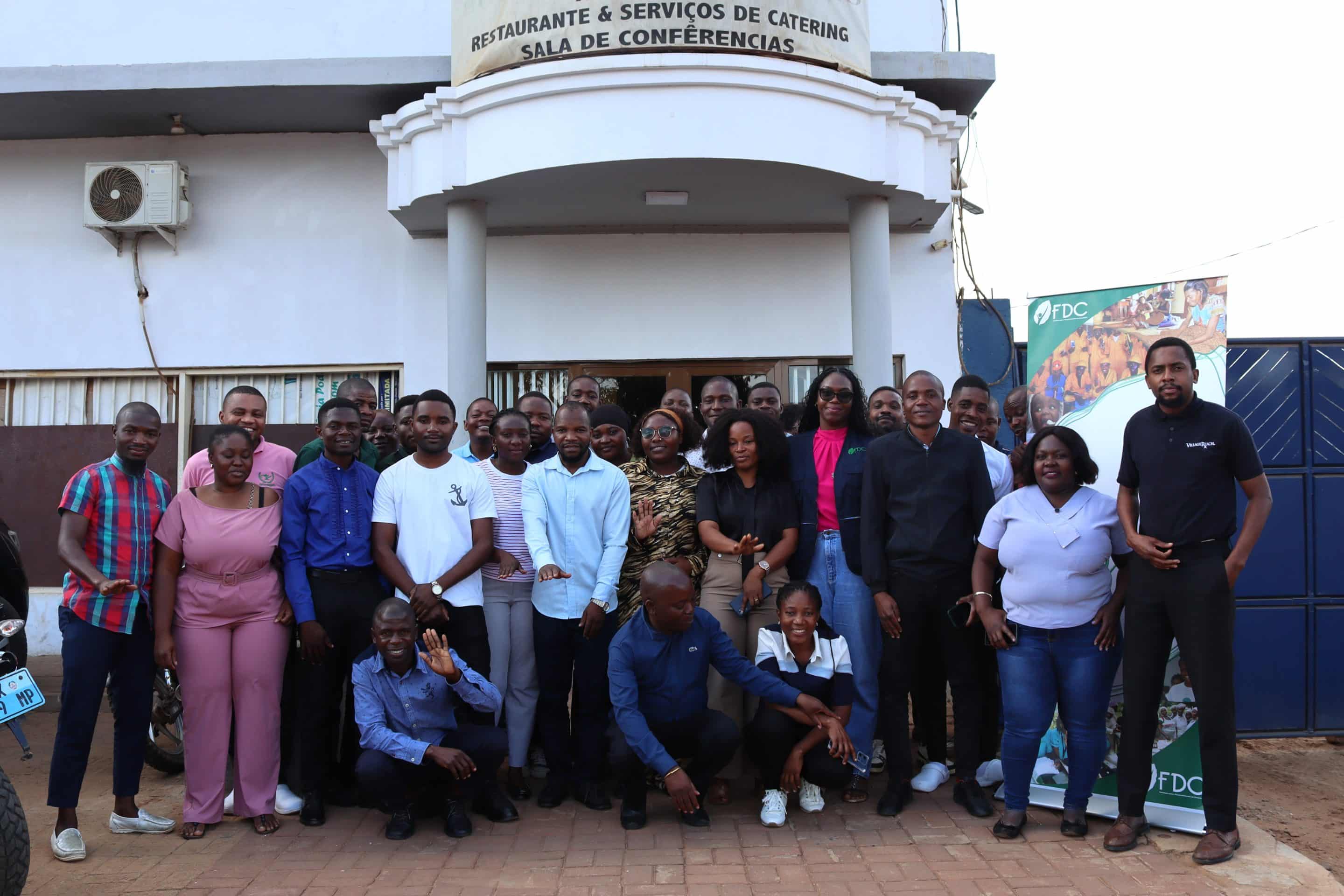
Inside the training
Learning by doing
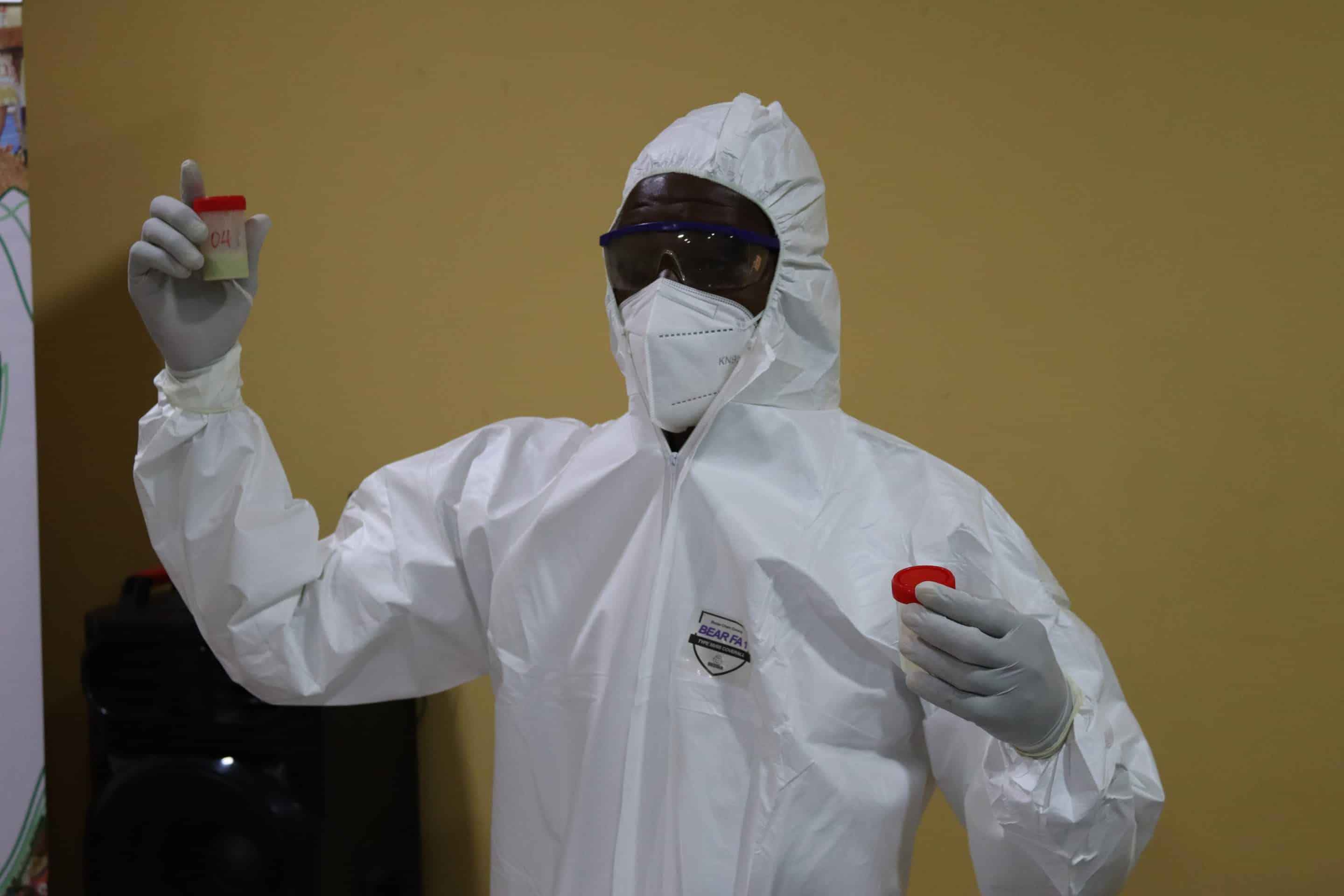
Hands-on demonstrations covered infection prevention and control, including hand hygiene, putting on and removing personal protective equipment, managing infectious waste and setting up a cholera treatment unit with separate neutral and contaminated zones.
Surveillance that starts at home
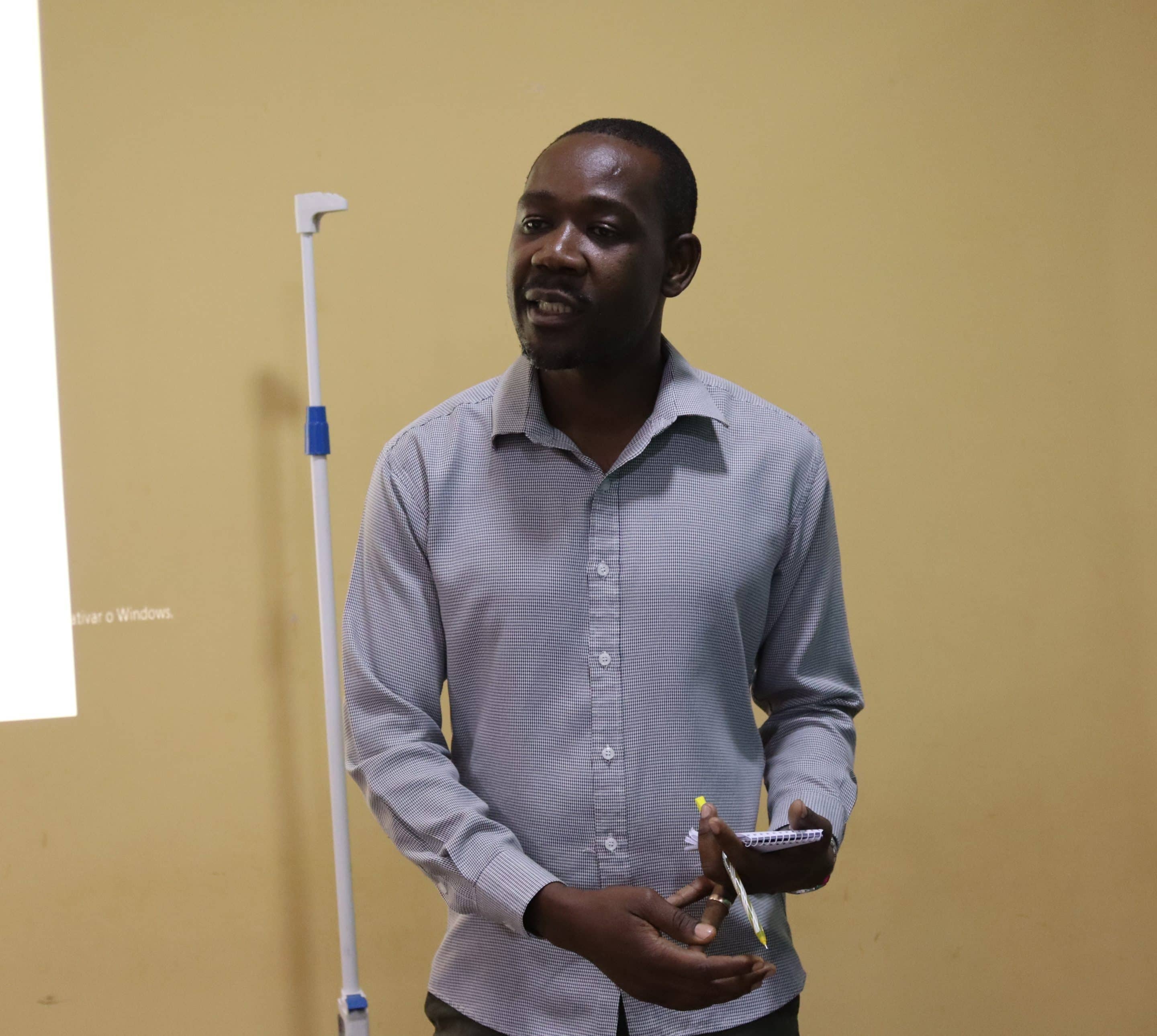
Meconta is the first district in Nampula province to test a community surveillance system designed specifically for cholera, with its own reporting forms, workflows and timelines. The system builds on existing networks, including 37 health committees and about 555 community members mobilized through the “Model Family” approach, who will help detect suspected cases and report rumors early.
Confirming cases quickly
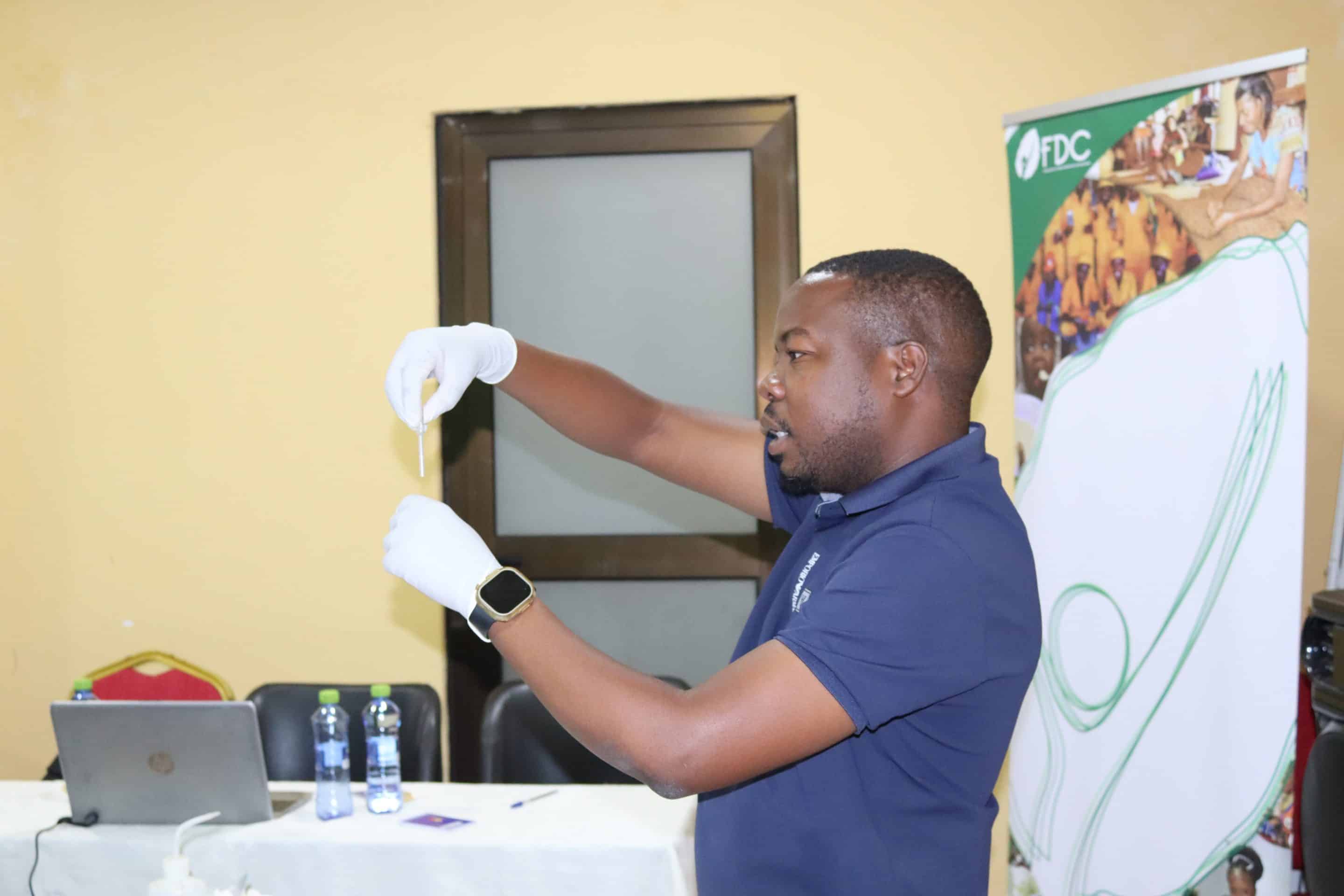
Participants learned how rapid diagnostic tests can quickly confirm suspected cases. The session covered biosafety, sampling criteria — fresh stool samples, processed within two hours of collection, from patients with symptoms for fewer than four days — and the materials needed to run the tests.
From training to practice
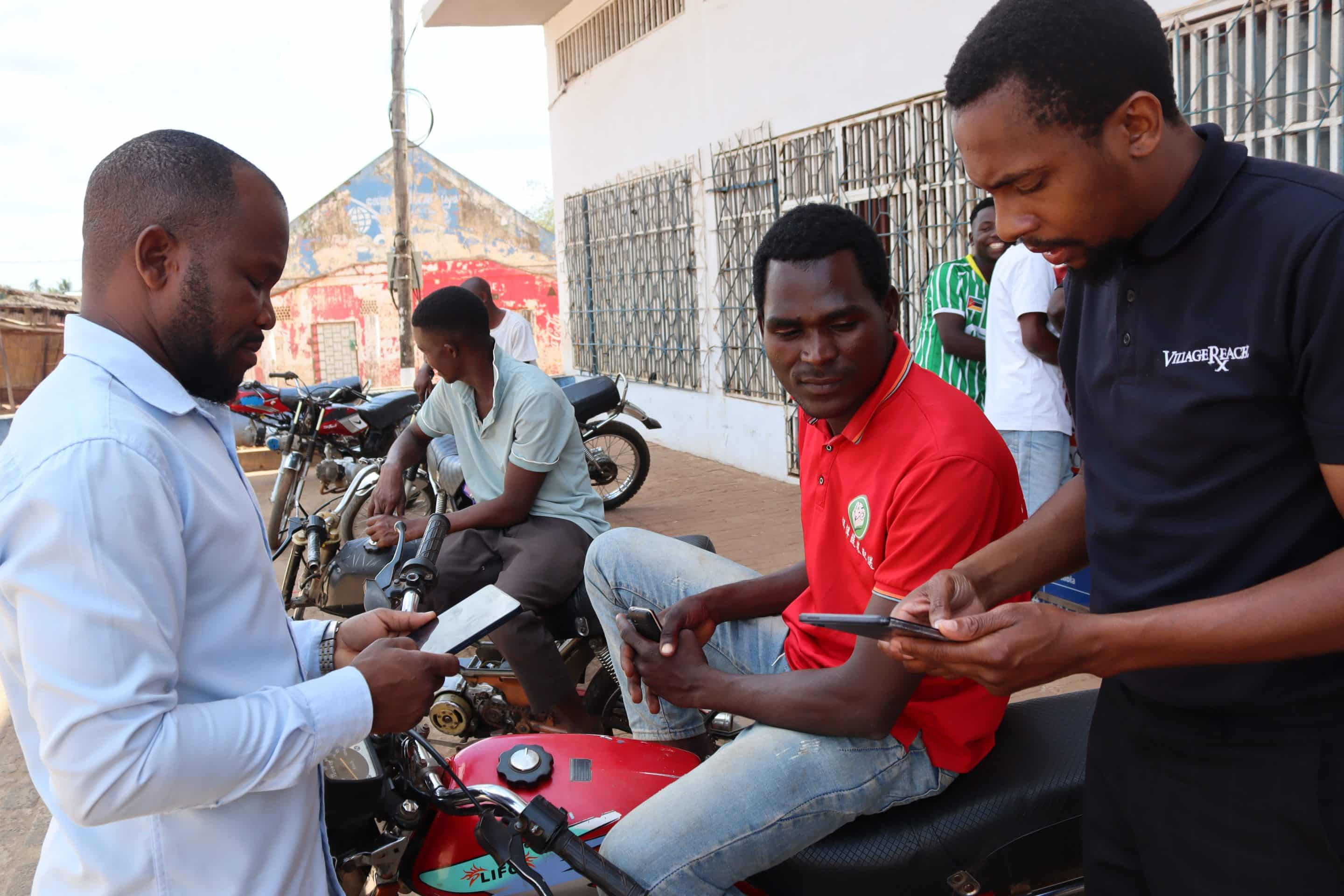
Introduced to participants and then in communities, KoboCollect lets health workers record cholera data in real time instead of on paper forms that can delay reporting and introduce errors. Faster reporting supports the 7-1-7 target covered in the training: seven days to detect a suspected outbreak, one day to notify and seven days to complete early response actions.
Preparedness starts in the community
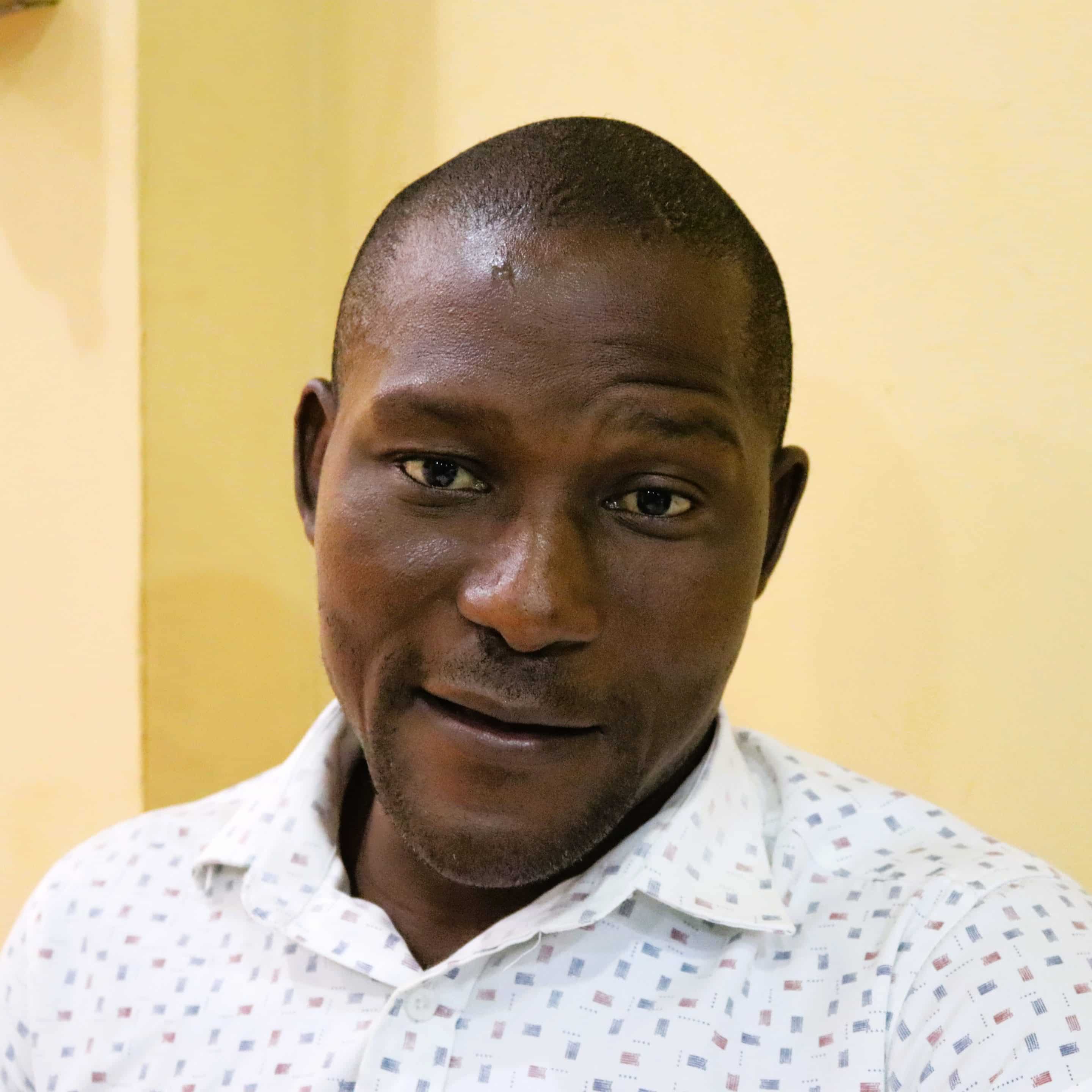
“The community needs to realize that hygiene is important,” said Atumane Casimiro, a general nurse and director of the Namialo Health Center.
Casimiro informed communities that preparedness is key to containing the first cases and that anyone can serve as an early warning system for health workers. That makes coordination with community leaders, activists and community health workers essential.
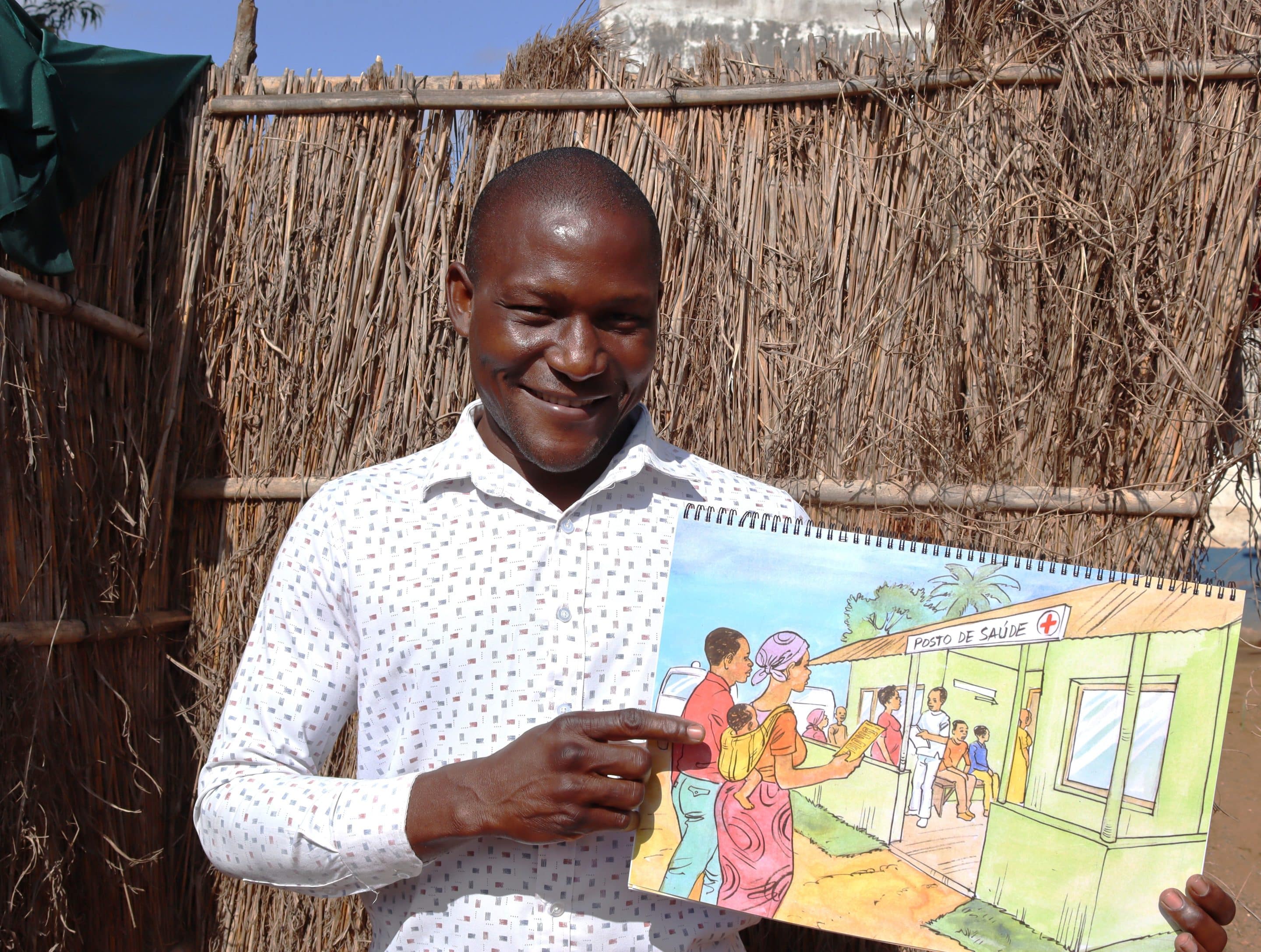
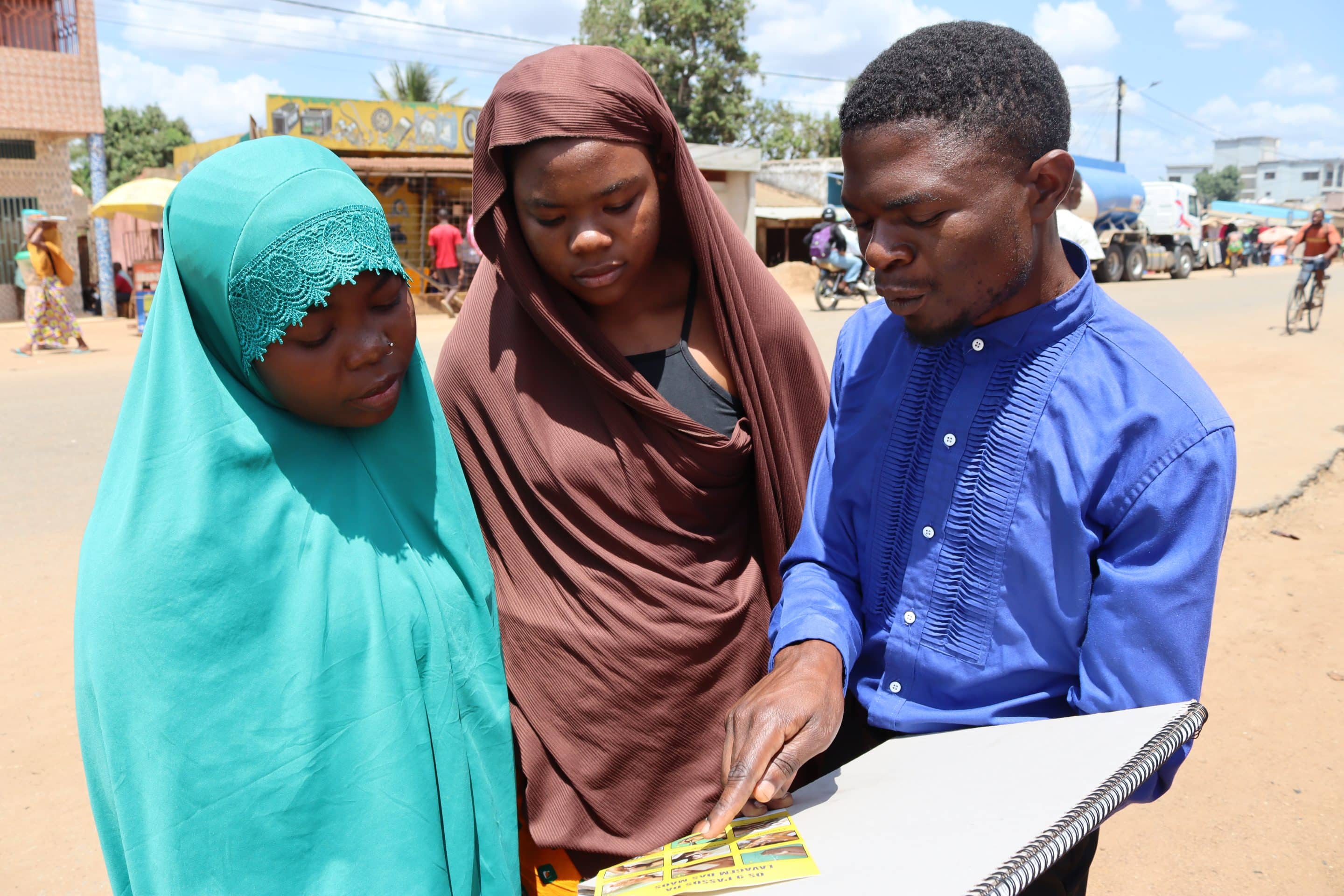
Putting information in people’s hands
The training strengthened Junqueiro’s skills in investigating cases, separating waste, reporting data and sending samples to laboratories. Information, education and communication materials from the training now support his conversations with community members.
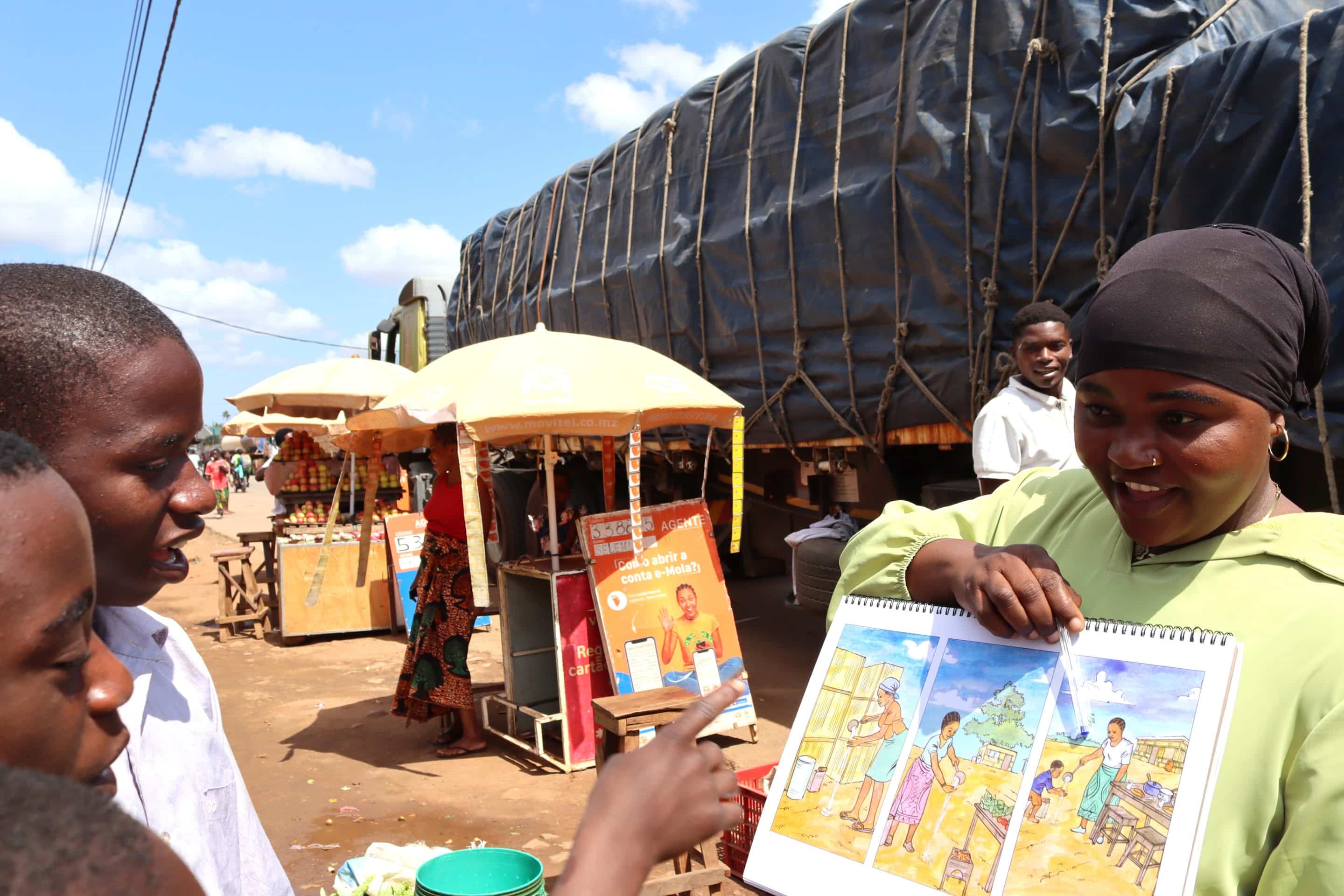
Building confidence for community outreach
The training gave Duarte more confidence leading health talks at the health center and in the community. With partner support, these sessions can reach more people in busy places such as markets, bus stations and soccer fields.
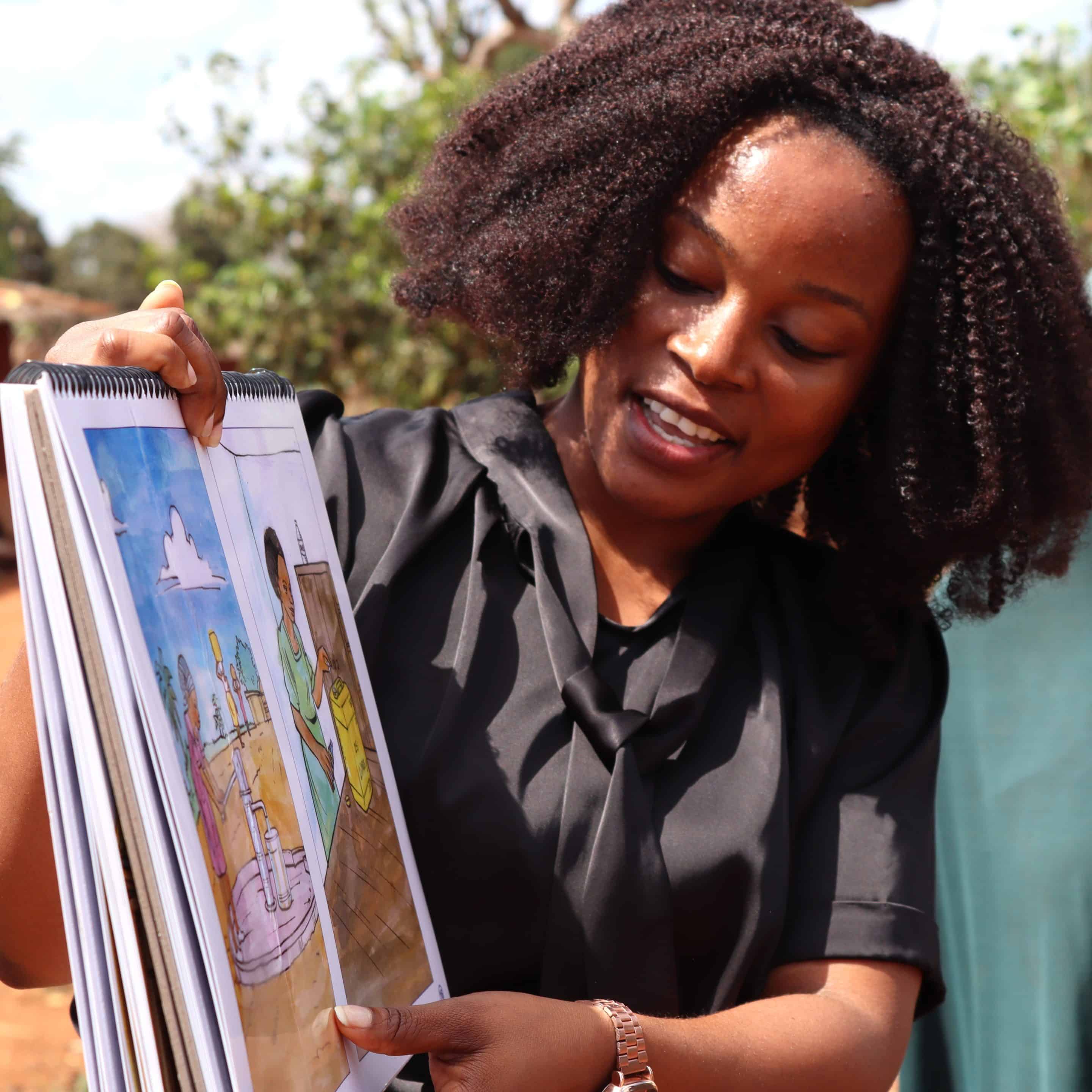
Meeting people at the water point
Pedro put her new skills to work at a neighborhood water point, leading a health talk for women, men and children who had come to collect safe drinking water. Many listeners stayed to ask questions.
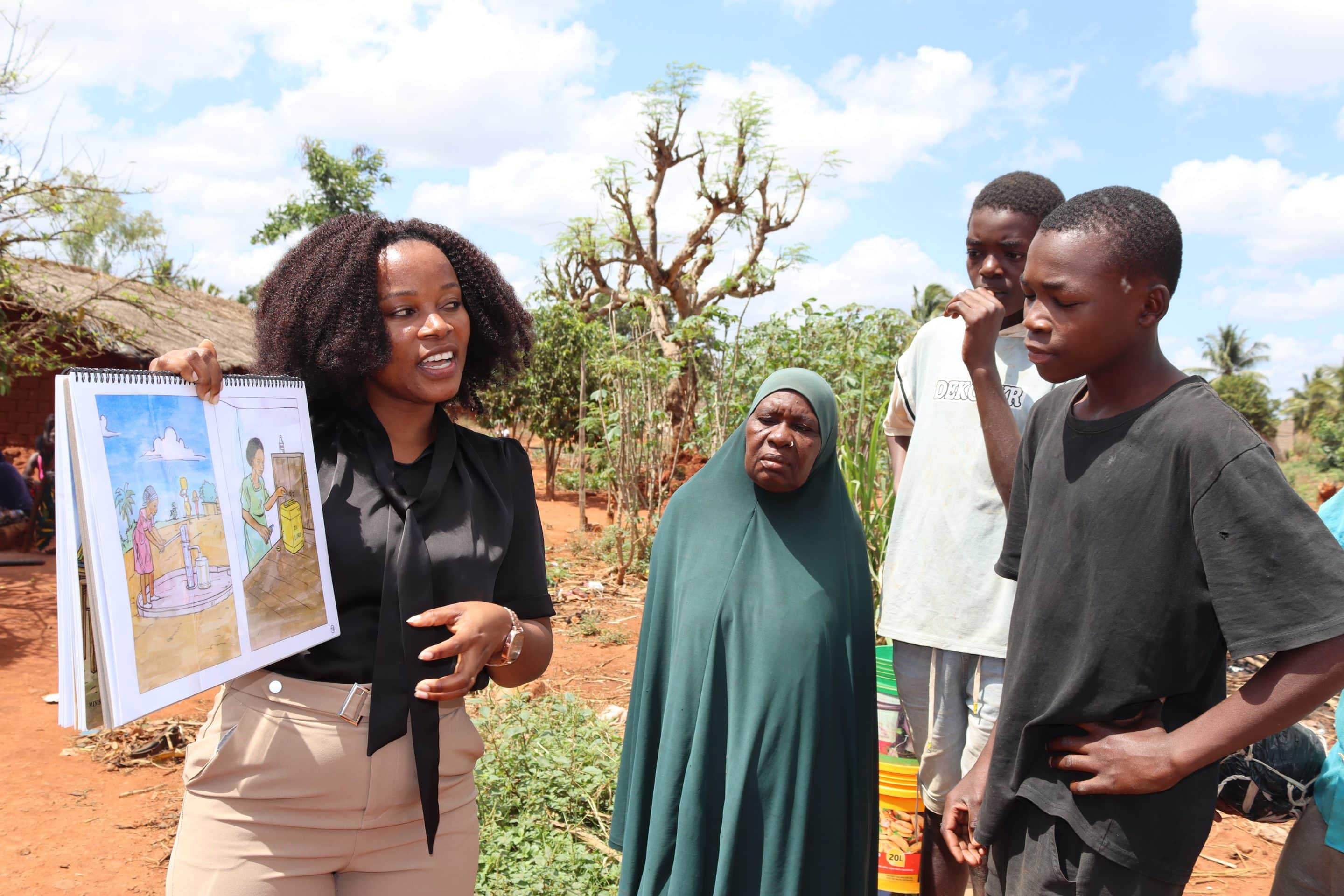
From the training room to markets and water points, health workers in Meconta are preparing to detect and respond to cholera before it spreads. Lessons from the pilot, led by Mozambique’s health authorities with support from FDC and VillageReach, could guide cholera preparedness in other districts in Nampula province.