


By Wema Kamuzora, Francisca Pratap (CIHEB Tanzania) and Ronald Ng’eno
Outside the home of Francis, a traditional healer, a thatched shelter made from wooden poles offers welcome shade. It serves as a waiting area where patients sit, chatting with neighbors or watching children play while they wait for their turn. Yet for more than 16 years, this is where people have come seeking help.
If you asked many people to picture a traditional healer, they would probably imagine someone far removed from modern medicine, surrounded by medicinal plants and traditional remedies and relying solely on ancestral knowledge to treat the sick.
That image changes the moment you meet Francis and one of the first things he says is something few people expect:
“Why should I continue treating someone when I know the hospital can help them better?”
For Francis, traditional medicine and modern medicine are partners and not competing systems.
For generations, traditional healers have been among the first people many Tanzanians consult when illness strikes. Families often turn to trusted local healers before travelling to a health facility, especially in rural communities where relationships are built over years. For many families, they are not only health providers but trusted advisors whose guidance influences when and whether, people seek care.
Every day, Francis meets parents carrying feverish children. Pregnant women seek advice when labour is delayed. Others arrive with persistent stomach pain, unexplained illnesses or complications after a stroke.
Each patient presents a decision-making moment for Francis: Can I help this person here? Or does this person need a hospital?
Until recently, Francis says, those decisions relied largely on years of experience, knowledge inherited from his grandfather and his own study of traditional medicine. But today, he has another tool.
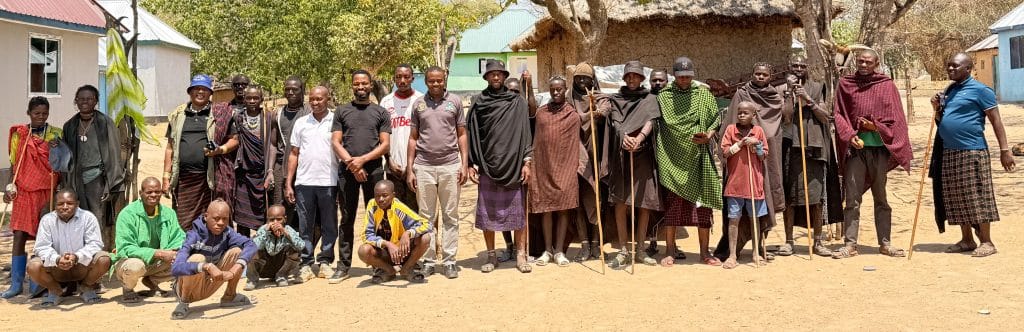
Traditional healers participating in training led by Tanzania’s Ministry of Health, CIHEB Tanzania and VillageReach on recognizing vaccine-preventable diseases and referring patients to health facilities. Photo credit: Francisca Pratap
Through training led by Tanzania’s Ministry of Health, CIHEB Tanzania and VillageReach, Francis joined other traditional healers in learning how to recognize the warning signs of measles, polio and other vaccine-preventable diseases, understand the importance of childhood immunization and identify when patients should be referred immediately to a health facility.
The training helped traditional healers recognize when modern medical care is the safest option while strengthening collaboration between traditional healers and the health system.
“The biggest thing I learned was the relationship between traditional healers and hospital workers and how we can work together to help patients.”
Francis is one of 110 traditional healers participating in the initiative, which is helping build stronger links between trusted community healers and the formal health system.
Today, that lesson shapes every consultation. When a worried parent carries a child with a high fever through his gate, Francis asks himself a question: Could this be measles? Could this child need urgent medical attention?
“If I see a child with signs that suggest measles,” he says, “why should I continue treating them when I know the hospital can help?”
Instead of reaching immediately for traditional remedies, he encourages parents to take their child to a health facility where they can be properly assessed and treated.
Recognizing the warning signs and making quick referrals can help children receive lifesaving care sooner while reducing the risk of diseases spreading within their communities.
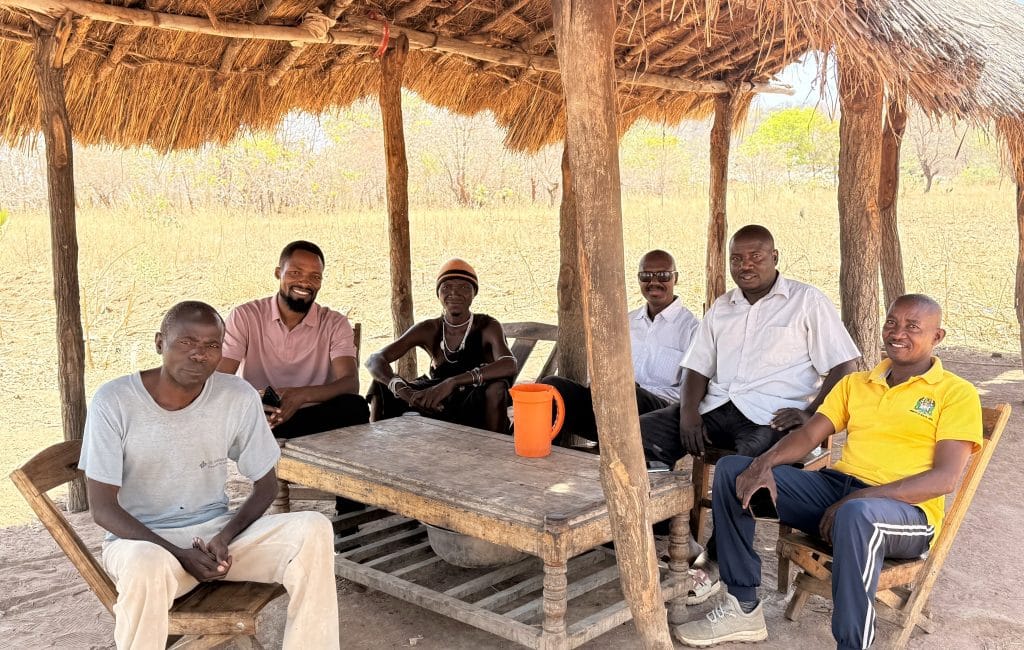
Patients wait beneath a shelter outside Francis’s home before consultations. Photo credit: Francisca Pratap
The waiting shelter outside Francis’s home reflects how deeply his work is woven into community life.
Patients don’t check in at a reception desk or wait for a number to be called. They sit beneath the shelter talking with neighbors while they wait to see Francis.
It is trust that brings people here. Francis’s influence extends well beyond his patients. As the local imam, traditional healer and respected community leader, he carries messages about immunization and timely care into places few health workers reach.
“I don’t shout at people,” he says. “I educate them and tell them to take their children for vaccination and to go to the hospital to find out what illness they have instead of just taking medicine.”
Whether speaking after prayers, during community meetings or in everyday conversations, he encourages families to vaccinate their children and seek medical care early.
Francis believes traditional healers can become an even stronger part of Tanzania’s health system. He imagines a future where traditional healers have referral forms, direct contacts at nearby health facilities and a way to call an ambulance when someone needs urgent care.
“Imagine if an ambulance came here,” he says. “People would see that traditional healers and hospitals are working together. We could save many more lives.”
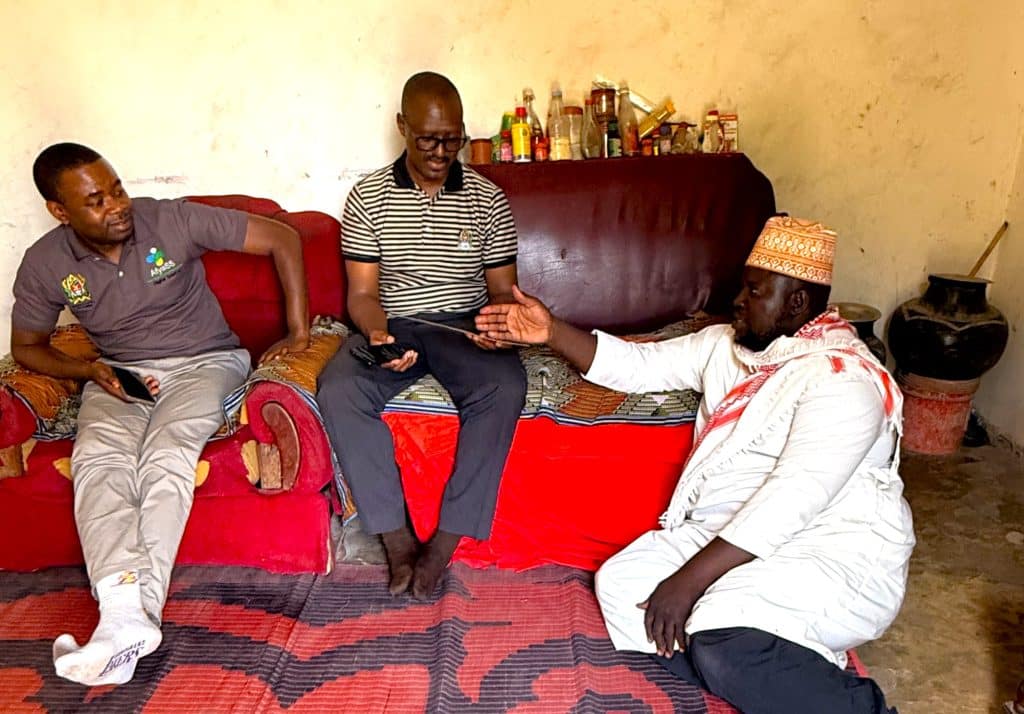
Francis shares how collaboration with health facilities has changed the way he practices traditional medicine. Photo credit: Francisca Pratap
Inside his home, where conversations about health often continue long after consultations end, Francis reflects on how much his own thinking has changed.
He still practises traditional medicine. Families still travel to seek his advice. But today he measures success differently.
He knows people will continue coming to him first. He doesn’t want that to change. He wants to be ready when they do. If the child sitting beneath the waiting shelter has measles instead of malaria…If the baby with a fever has a vaccine-preventable disease…If a pregnant woman needs urgent medical care…
He wants to recognize the danger early and help them reach the right care before it is too late. That, he believes, is what it means to be a traditional healer today. It doesn’t diminish his role. It strengthens it.
“The important thing,” Francis says, “is cooperation.”
Today, Francis still prepares traditional remedies. Families still travel to seek his advice. But he now measures success by the people he helps reach the right care at the right time.