
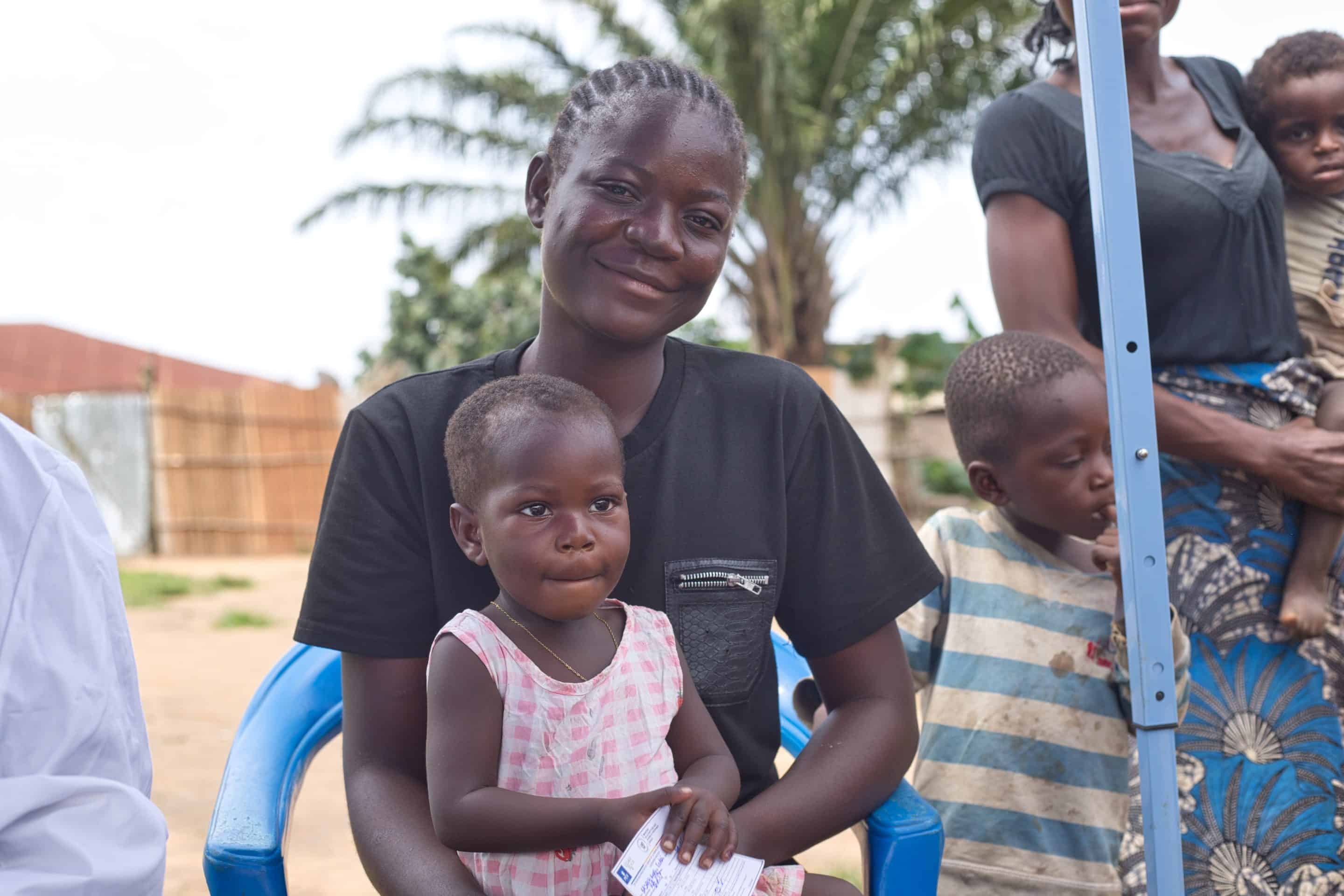

What does it take to reach the world’s remaining 13.5 million zero-dose children? The answer is simple on one level: reaching children who have not received a single routine vaccine requires additional investment.
Children living in remote communities, informal settlements or areas with weak health infrastructure are often harder and more expensive to reach. But money alone is not enough. Global evidence shows that zero-dose children are left behind by a combination of geographic, social, economic and health system barriers, meaning the question is not only how much to invest, but how to invest.
From 2021 to 2025, Gavi’s Equity Accelerator Fund (EAF) supported efforts to identify and reach children missed by routine immunization services. In the Democratic Republic of Congo (DRC), VillageReach and partners implemented two approaches aimed at improving access to vaccination: strengthening vaccine availability through an optimized supply chain and bringing services closer to families through door-to-door outreach.
But these increasing access and availability is only part of the challenge. As countries and donors face increasing pressure to maximize limited resources, they also need evidence about which approaches deliver the greatest impact for the investment required.
Measuring what works
To help answer this question, VillageReach conducted a cost-effectiveness evaluation of the two interventions implemented through Gavi’s Equity Accelerator Fund in DRC. Rather than focusing only on vaccination coverage, the evaluation examined both implementation costs and health outcomes, providing a more complete picture of whether the interventions represented a worthwhile investment.
The analysis compared the resources required with the health benefits achieved, helping assess whether the approaches provided good value for money.
Reaching more Children
The clearest evidence of the interventions’ impact is that more children received vaccines.
The evaluation found that the two approaches helped vaccinate an additional 5,157 zero-dose children, representing a 24% increase in the number of zero-dose children reached. The result is particularly significant given the barriers many families face in accessing immunization services in DRC. Research conducted in DRC found that caregivers generally value vaccination but often face long travel distances, transportation costs, competing work and caregiving responsibilities, weak reminder systems and inconsistent service availability that can prevent children from accessing lifesaving vaccines.
The findings suggest that strengthening vaccine availability while bringing services closer to communities helped address some of the practical barriers that prevent children from being vaccinated.
Value for Money
Reaching zero-dose children often requires going beyond routine service delivery. In DRC, increasing vaccine availability through an optimized supply chain and bringing services directly to communities through door-to-door outreach required additional investments in transportation, personnel, supervision and operational support.
The evaluation found that these investments generated meaningful health gains relative to the resources invested.
Using disability-adjusted life years (DALYs), a measure that captures both years of life saved and years of illness prevented, the evaluation estimated a cost of approximately US$85.75 per DALY averted, meaning the interventions generated an additional year of healthy life for about US$85.75 invested.
The findings show that improving equity does not have to come at the expense of efficiency. The evaluation suggests that savings could come from continued route planning and transport optimization. While reaching zero-dose children may require greater upfront investment, targeted efforts to strengthen vaccine delivery and bring services closer to families can generate meaningful health gains while making effective use of limited resources.
The benefits extend beyond the children reached. Vaccination protects children from diseases that can result in serious illness, disability or death, while helping health systems avoid the burden of responding to illnesses that could have been prevented. Although these broader effects were not measured in the evaluation, they highlight why investments in reaching zero-dose children matter long after a child receives their first vaccine.
Beyond DRC
The findings also reinforce a broader lesson emerging from Gavi’s EAF. As explored in our recent Devex op-ed, many of the solutions needed to reach zero-dose children are already known. The challenge is ensuring those solutions are implemented in ways that respond to the realities families face and the barriers that prevent children from accessing services.
For countries working to reach the world’s remaining 13.5 million zero-dose children, the question is not simply whether resources are available, but how they are used. The experience in DRC provides evidence that when investments are targeted thoughtfully, it is possible to make meaningful progress toward immunization equity.
Read the full report here.