
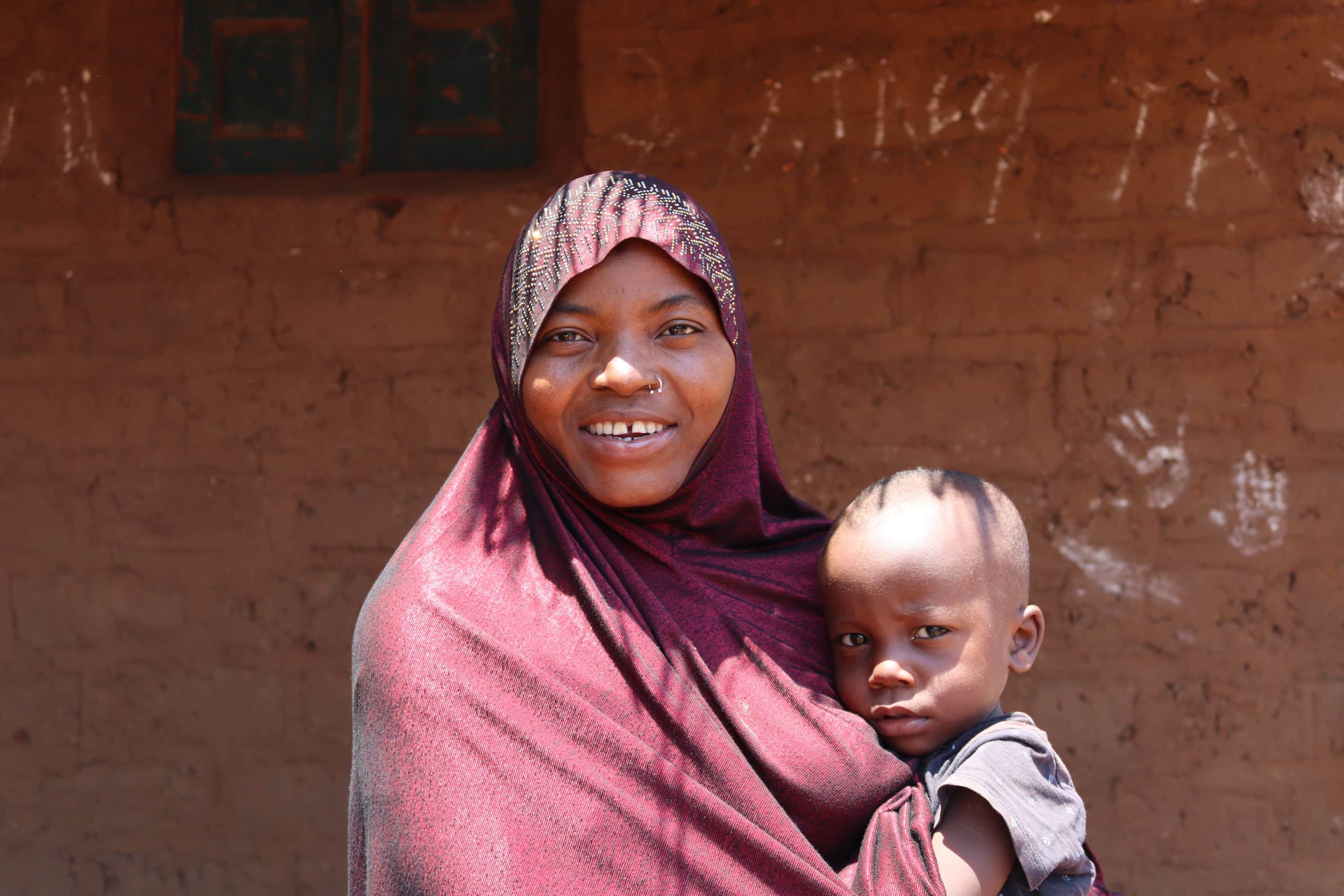

In March 2026, Anifa Secura fell ill with cholera. She went to the health center in Namialo, a town in Meconta district in Nampula province, northern Mozambique. Health workers admitted her and treated her for three days. She survived.
“I am very grateful to the health workers for their dedication,” Anifa says. “Without them, I would no longer be among the living. My children would have joined so many other children whose parents lose their lives and are left to suffer.”
How cholera reached her neighborhood
Anifa farms to provide for her three children. Her husband works in another province. She lives in Mapeta, a neighborhood of Namialo. People from many other places pass through the town. Anifa met a visitor from outside Namialo and then fell ill. No one else in Mapeta caught the disease.
“I was the only one who contracted cholera here in the neighborhood,” she says. “It was terrible.”
Cholera cases rise in Mozambique during the rainy season. Other diseases carried in water rise then too. Children are the most vulnerable.
What her children saw
Anifa’s baby was three months old when she fell ill. Health workers kept her in isolation, so the baby could feed from her only now and then. That separation was the hardest part of her illness. Her two older children watched her suffer.
“Even with the disease, I didn’t lose hope,” she says. “But I confess I was extremely shaken.”
What health workers did after she came home
Anifa left the health center after three days. She spent two weeks recovering at home. During those two weeks health workers came to spray her house and her neighbors’ houses. They also explained how diseases carried in water spread. Anifa learned to clean her home, wash her hands and take other precautions.
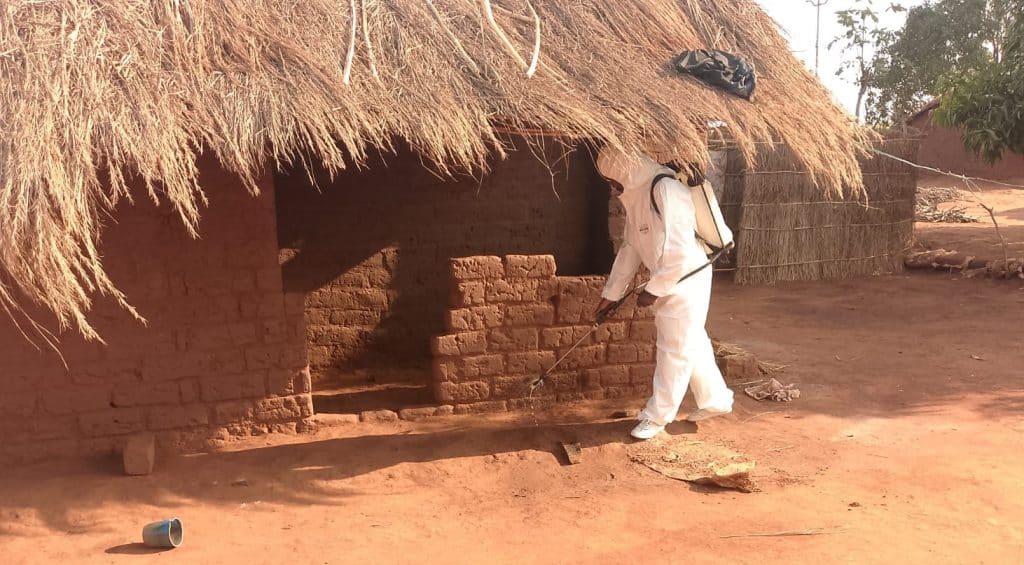
A health workers sprays a home with disinfectant in Mapeta, Namialo, Nampula Province. Photo credit – Arsenio Manhice
What the partners are doing before the rains
Anifa recovered months before the cholera project started in her district. VillageReach and the Foundation for Community Development (FDC) now run a pilot of the Cholera Capacity Building, Surveillance and Prevention Plan in Meconta district. Mozambique’s Ministry of Health takes part through the Nampula Provincial Health Service and the Meconta District Health, Women and Social Action Service. VillageReach contributes through its Crisis Response Plan.
The partners planned the activities for the period before the rainy season, when cholera cases rise. They have trained health professionals, primary health care workers and community members. They also supply hygiene materials and health education materials, including flip charts, flyers and posters. (A separate report describes the training in detail, including the community surveillance system Meconta is testing for the first time in Nampula province).
While the project is still a pilot, health professionals, community health workers and community members have shown interest in it.
What Anifa knows now
Anifa believes the project came at the right time for Namialo. She expects it to save lives, above all the lives of children.
She wants no one else in Mapeta to catch cholera. If someone does catch it, she wants them to go to the health center immediately.
“Today I know we don’t have to die from cholera,” Anifa says. “We just need to be mindful of our health.”
Anifa survived cholera and her neighbors now know what she learned. If the disease reaches Mapeta during the coming rains, people there know where to go.