


When the Ebola Bundibugyo virus was detected in neighboring Ituri province in May 2026, health officials in Tshopo province knew they had little time to prepare. The risk extended beyond geography. As former districts of the historic Province Orientale, Ituri and Tshopo remain closely connected through trade, transportation and family ties, creating pathways not only for people and goods, but also for disease transmission.
Yet Tshopo was not starting from zero. Years of investment in surveillance, specimen transport, coordination and community engagement had already strengthened the province’s ability to detect and respond to health threats.
Coordinating Before the First Case
As soon as Ebola was declared in neighboring Ituri province, authorities in Tshopo moved to strengthen preparedness measures across the province. A crisis meeting chaired by the governor established an incident management structure and organized the coordination pillars responsible for surveillance, notification, communication and response planning. Provincial authorities also introduced systematic control measures and public awareness efforts so communities understood that Ebola could spread from neighboring Ituri into Tshopo.
Across the province, health facilities submit surveillance data to their health zones each week. The information is compiled at the provincial level and reviewed during regular preparedness meetings, where officials monitor diseases with epidemic potential, assess readiness and investigate alerts. When a suspected case is identified, established procedures guide investigation, sample collection and decision-making.
For Dr. Ikomo Bitalo Bienvenu, head of the provincial health division, that continuous approach is essential.
“Preparedness must be ongoing,” he said. “It cannot begin once the outbreak is already established.”
As preparedness activities intensified, provincial authorities and partners were able to build on established relationships and coordination mechanisms rather than create new ways of working during an emergency.
Built on Existing Partnerships
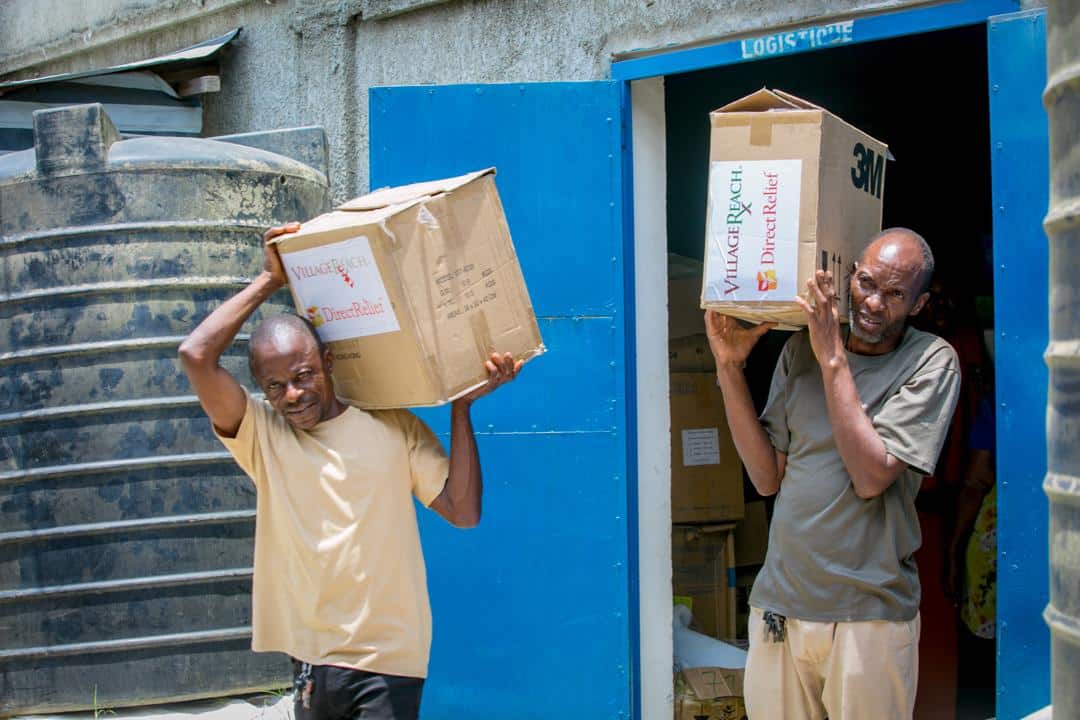
Health teams coordinate the redistribution of personal protective equipment from the Provincial Health Division warehouse to Ebola treatment centers in Tshopo province. Photo credit: Happy Service
The speed of Tshopo’s response was built on relationships that had developed long before Ebola became a concern.
Since arriving in the province in 2023, VillageReach has worked alongside provincial health authorities to strengthen vaccine distribution and support routine immunization activities. This work included helping health facilities maintain access to vaccines and supporting outreach efforts to reach children living in remote communities, settlements and camps who had missed routine vaccination services.
Over time, these efforts helped establish the relationships and trust needed to respond quickly when new health priorities emerged. That close collaboration is reinforced by VillageReach’s presence within the Provincial Health Division itself. The organization’s office is located inside the DPS, allowing teams to communicate regularly, participate in coordination activities and quickly respond to emerging needs.
That close collaboration also helped accelerate the response. According to Dr. Donat Shungu, coordinator of the North-East block at VillageReach, when preparedness needs were identified by the Provincial Health Division, VillageReach was often able to respond within 48 to 72 hours, supporting activities ranging from mobility and communications to community engagement.
From Polio Samples to Ebola Samples
One of the clearest examples of how routine health system investments supported Ebola preparedness can be found in Tshopo’s specimen transportation system.
Long before Ebola emerged in neighboring Ituri province, VillageReach was working with provincial authorities to strengthen the transport of polio surveillance samples from communities to laboratories for testing. At the time, samples could take up to a week to reach their destination. Through support for specimen transportation systems, delivery times were reduced to about one to two days, allowing specimens to move more quickly through provincial structures and on to the national laboratory in Kinshasa.
Over time, the system expanded beyond polio to support the transportation of samples for other vaccine-preventable diseases, including measles and yellow fever. What began as an effort to strengthen routine disease surveillance ultimately created infrastructure that could be adapted when new health threats emerged.
When Ebola appeared in neighboring Ituri, provincial authorities and partners did not need to establish a new specimen transportation process. Instead, they adapted an existing system that health workers already knew how to use.
“For us, this was not a problem,” said Dr. Donat Shungu, VillageReach coordinator in Tshopo. “The Ebola samples are integrated into the same process as we did with the other samples.”
Strengthening the Reporting of Alerts
While surveillance and specimen transport systems were already in place, provincial health authorities identified one area that required additional attention: communication.
Dr. Shungu identified communication and alert reporting as persistent challenges during preparedness efforts. Delays in reporting could slow investigations and limit the ability of health authorities to respond rapidly to potential threats.
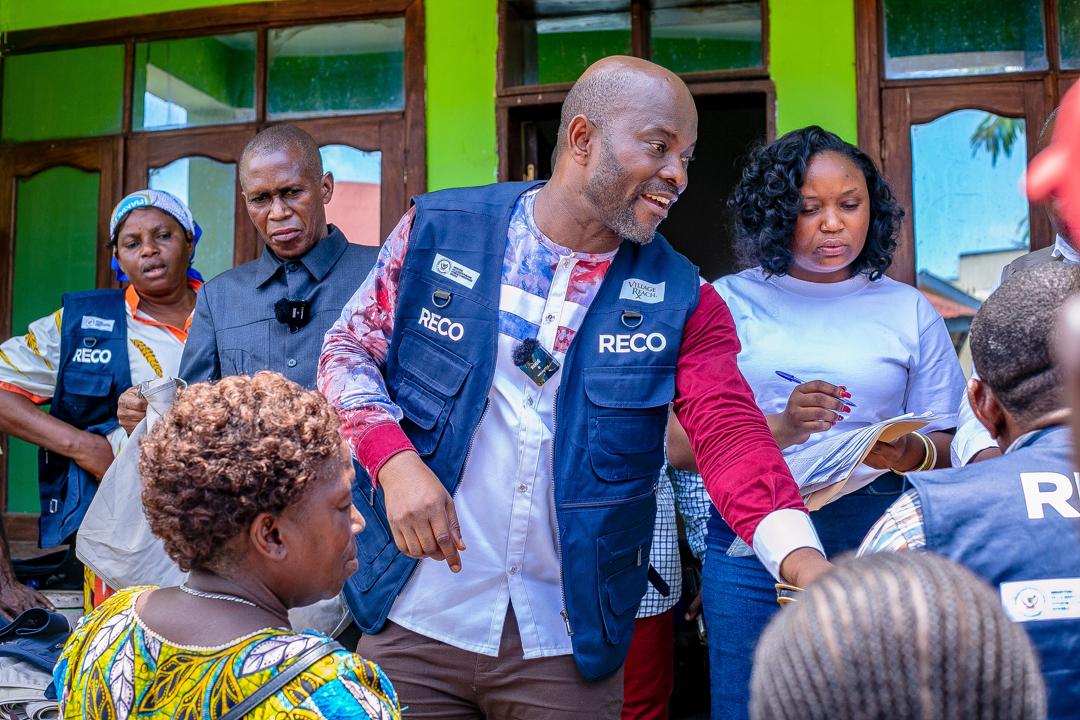
To address those gaps, VillageReach worked with provincial authorities to strengthen community-level surveillance and communication. Training was provided for community health workers, known locally as relais communautaires, or RECOs, and health zone management teams in priority areas. In Bengamisa Health Zone, 170 RECOs were trained, while another 192 are expected to be trained in Banalia Health Zone. The training focused on strengthening the identification and reporting of alerts, improving community awareness and increasing communication between communities and health authorities.
More recently, VillageReach supported the handover of personal protective equipment, or PPE, and identification vests for RECOs, helping ensure that trained RECOs have the tools and visibility needed to support surveillance and community engagement activities. Additional activities are underway in Banalia, including support for RECOs working in remote communities.
Strengthening the ability of RECOs to recognize concerns, share information and report alerts can help health authorities identify potential threats earlier and respond more quickly.
Looking Ahead
While preparedness efforts have strengthened the province’s ability to respond, important gaps remain. Provincial leaders continue to identify the need for broader public awareness campaigns, stronger support for alert investigation and resources to help frontline teams respond quickly when threats emerge.
In Tshopo, the systems that supported Ebola preparedness, from surveillance and specimen transport to community engagement and coordination, were built long before the outbreak was detected in neighboring Ituri. Maintaining those capabilities will help strengthen future outbreak responses while supporting the everyday health services communities rely on.